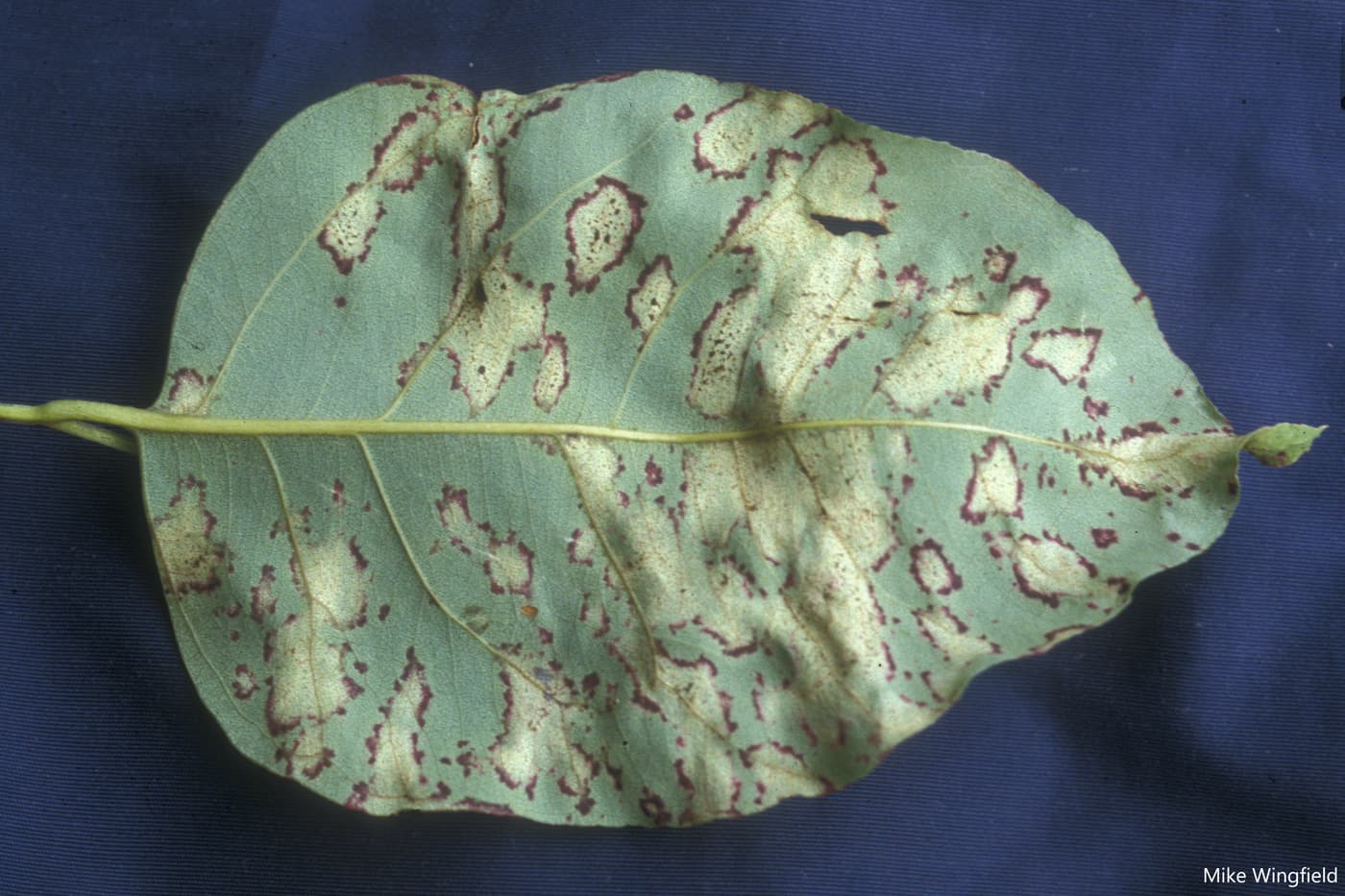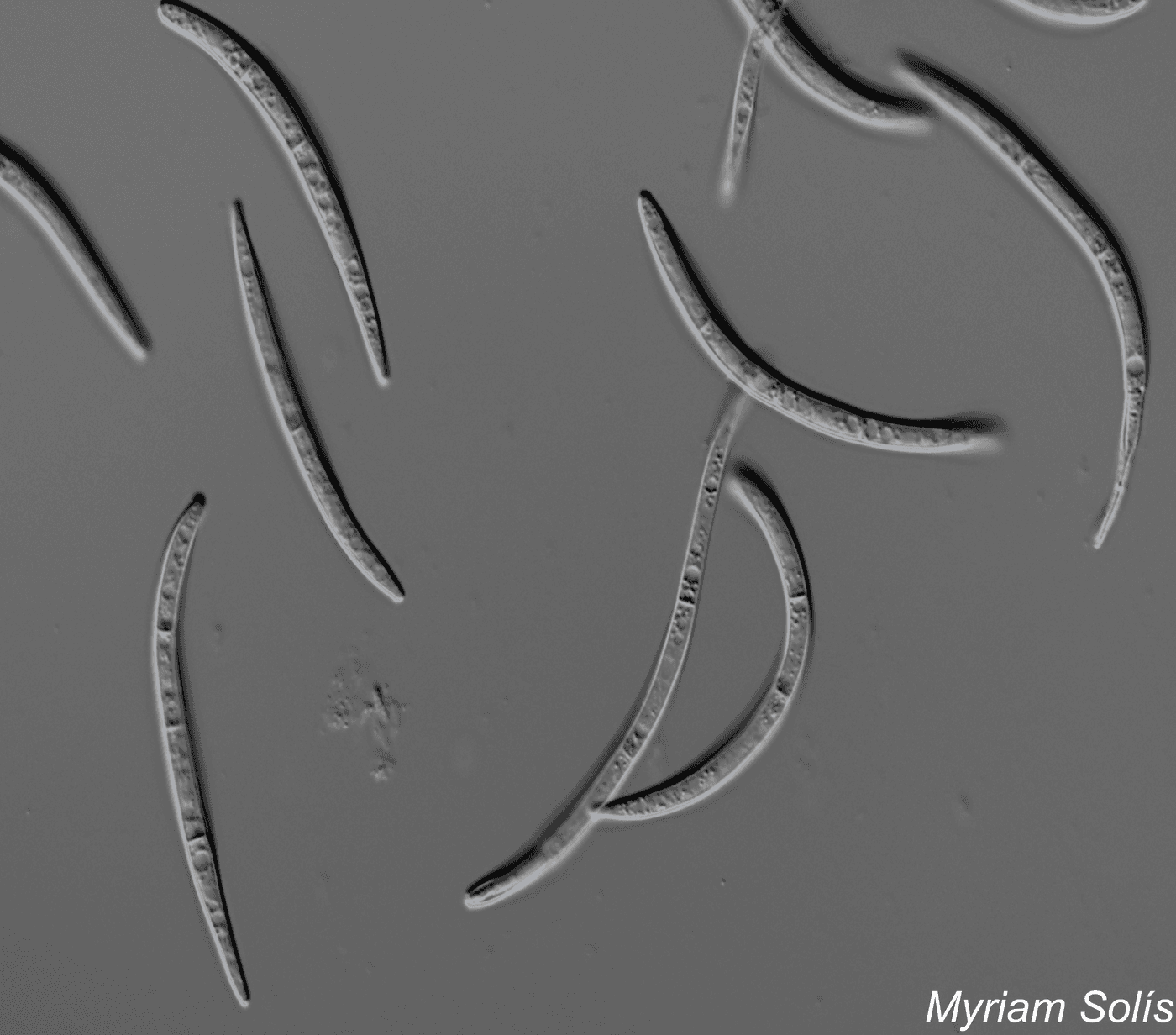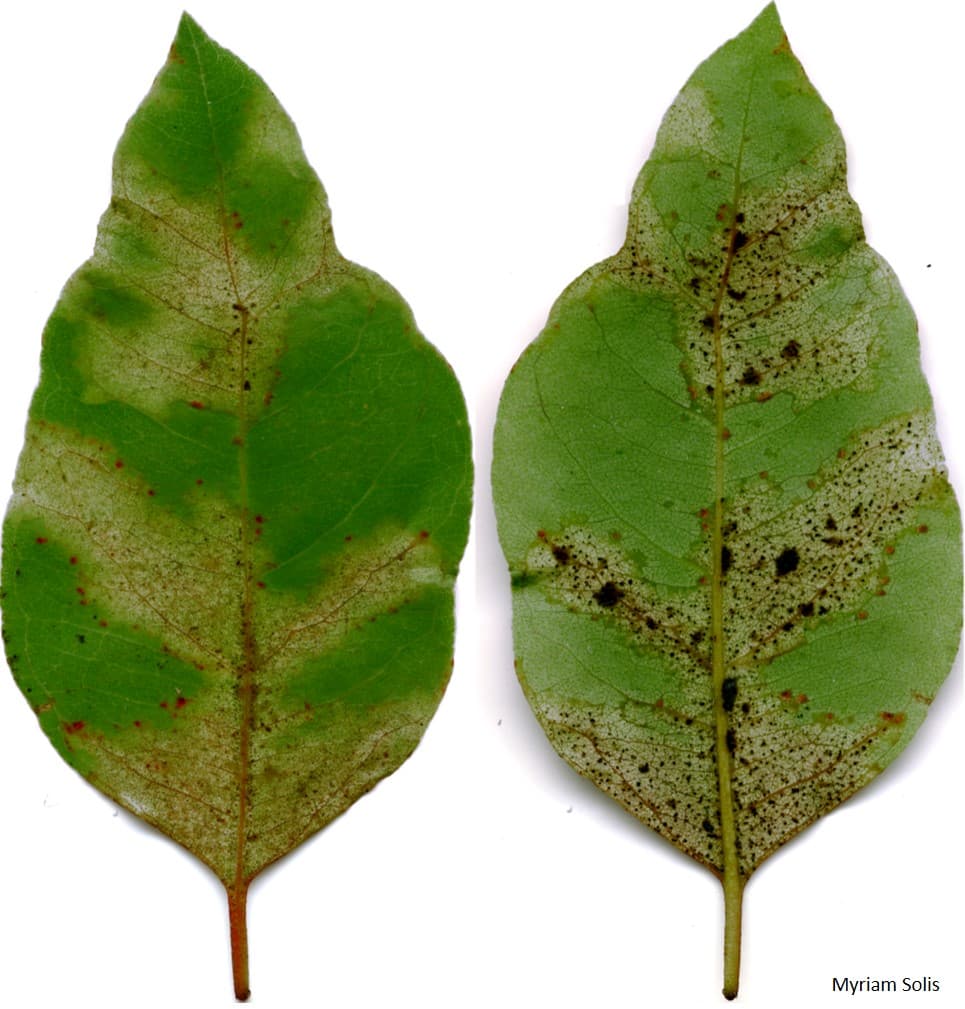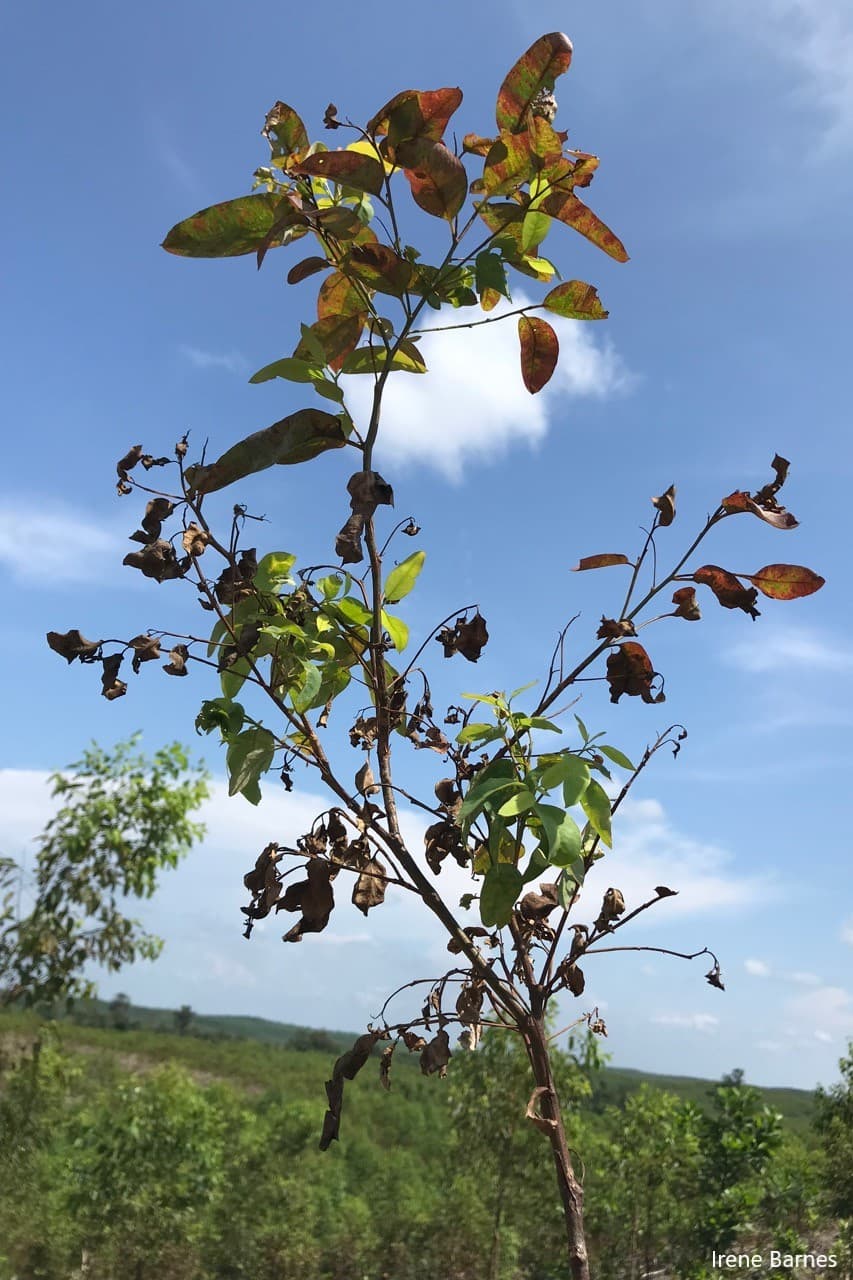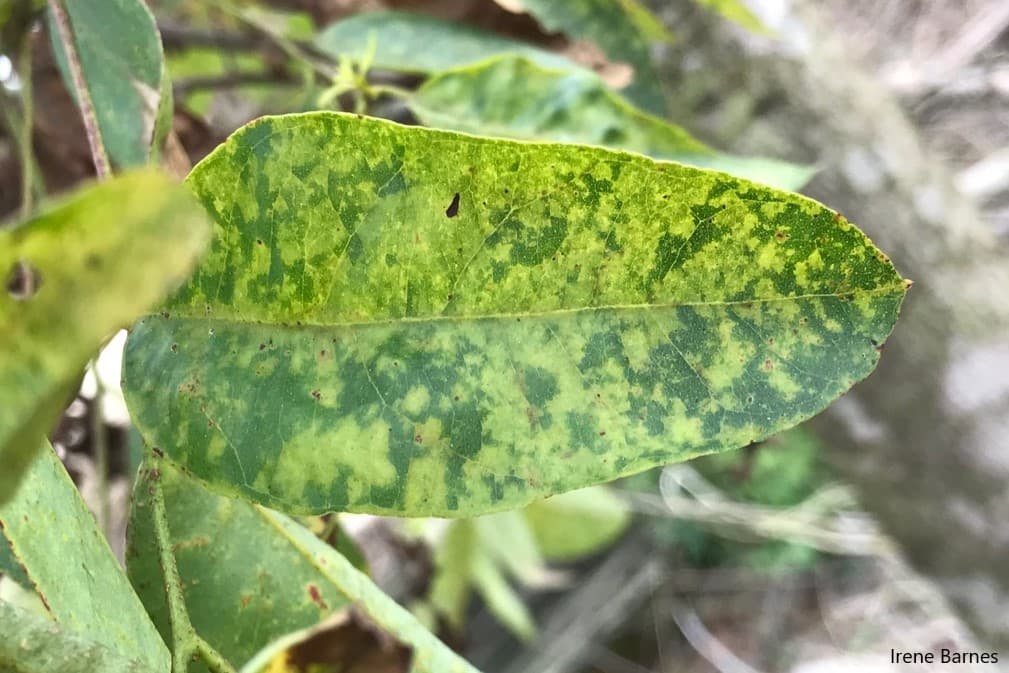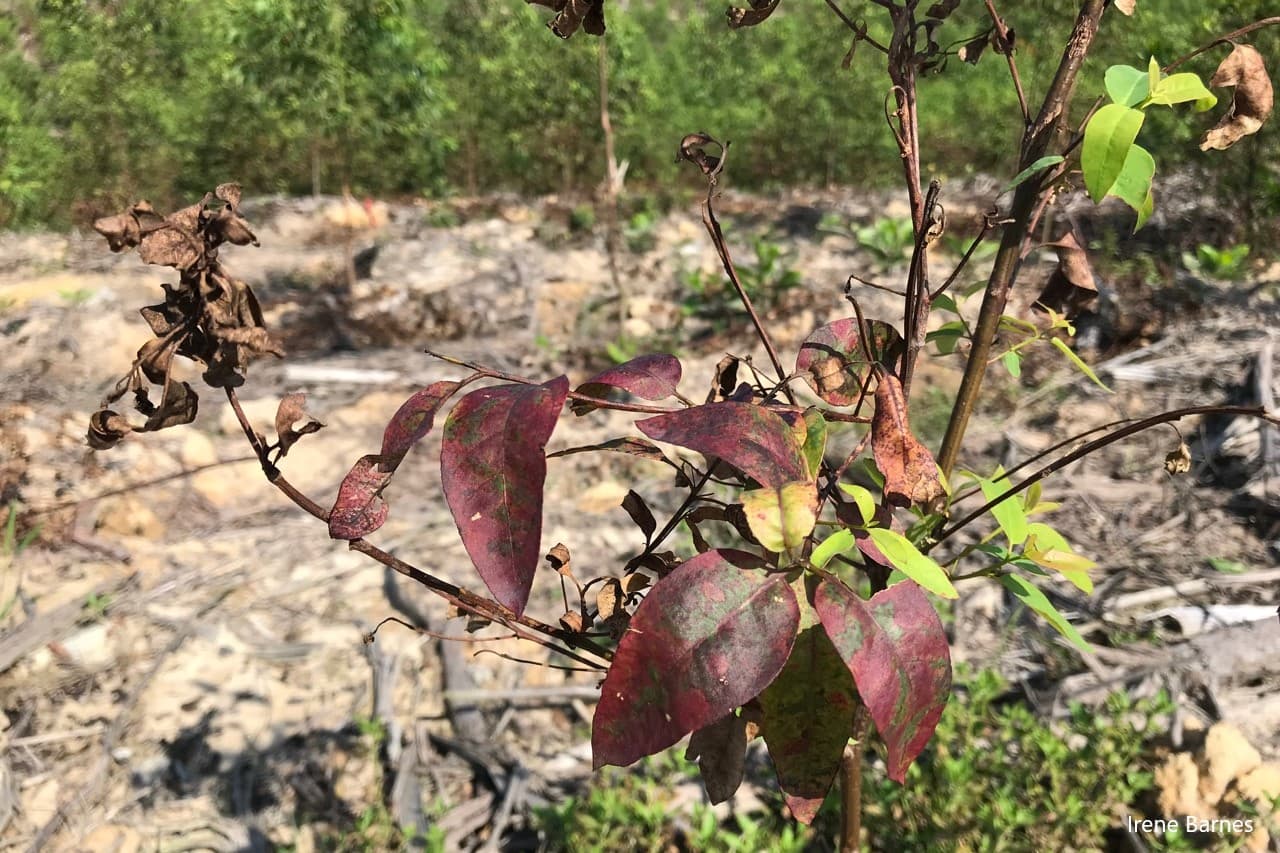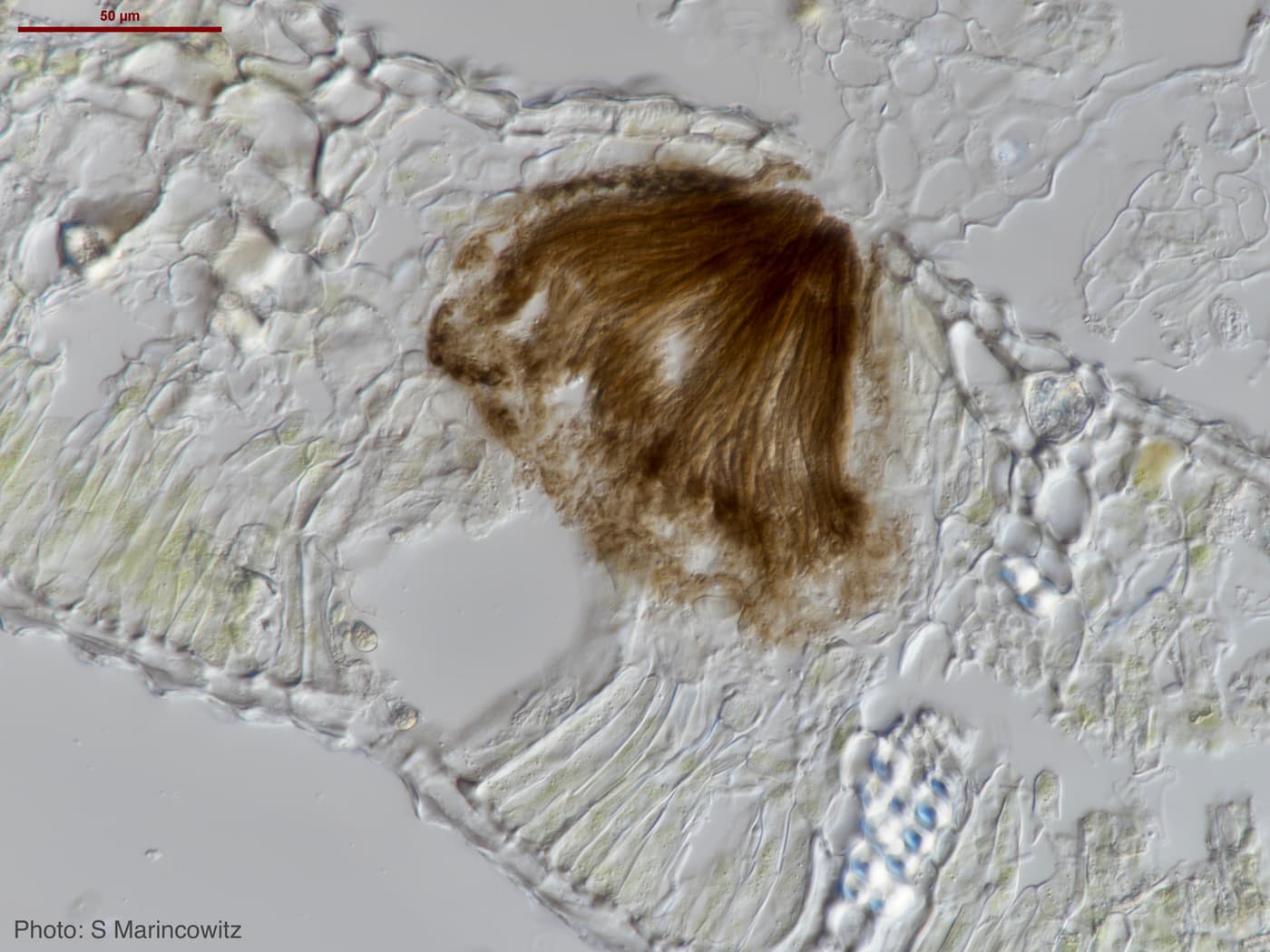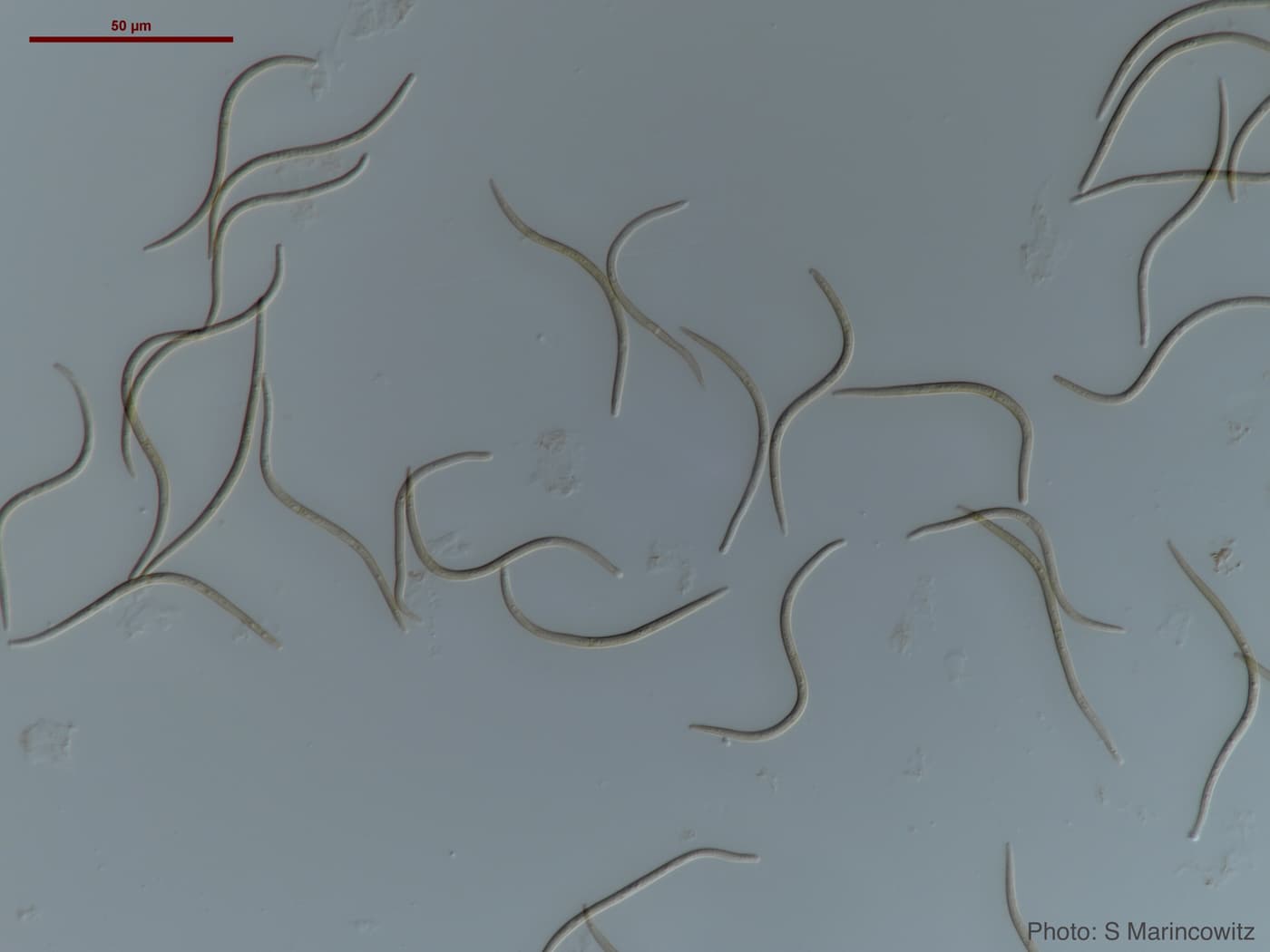
Teratosphaeria destructans is an agressive Eucalyptus leaf blight pathogen. Common symptoms associated with T. destructans are leaf, shoot and bud blight as well as leaf discolouration and malformation (Wingfield et al. 1996; Burgess et al. 2007). Early symptoms on the leaves are chlorotic lesions that progress to large sub-circular brown spots with diffuse borders and red-brown margins (Wingfield et al. 1996; Burgess et al. 2006; Solís et al. 2022). Older leaves exhibit a purple discolouration restricted by veins (Wingfield et al. 1996). The diseased Eucalyptus trees are heavily defoliated, causing a reduction of growth and vigour (Burgess et al. 2006; Dell et al. 2008). In severe cases, the shoots die, resulting in a loss of apical growth (Old et al. 2003). Leaf symptoms are present on both the upper (abaxial) and lower (adaxial) leaf surfaces (Wingfield et al. 1996; Solís et al. 2022). Sporulation of the fungus is typified by tendrils of spores exuding from the stomata on the underside of the leaves (Solís et al.2022). In wet weather, these can coalesce to form plates of black spore masses.

Tree Protection Co-operative Programme
Teratosphearia Leaf Blight / Teratosphaeria destructans
Teratosphaeria destructans (M.J. Wingf & Crous) M.J Wingf. & Crous
Symptoms
Biology
The pathogen infects actively growing young leaves, young shoots and buds (Andjic et al. 2007). The infection occurs via stomata at 48h post inoculation (Solís et al.2022), high levels of humidity are necessary for the disease development (close to 100%) for at least 72 hours post inoculation (Solís et al. 2022) and symptoms are usually visualized at four weeks post inoculation(Solís et al. 2022).
The sexual state of T. destructans has never been observed, but data from whole genome sequences (Havenga et al. 2020, Wingfield et al. 2018) shows that it has a heterothallic mating system. Individuals are, therefore, either of the MAT1-1 or MAT1-2 type. In populations across five countries in South East Asia, one of the two mating types always dominate. Only MAT1-2 individuals are present in South Africa (Havenga et al. 2020) and these represent a single clone (Havenga et al. in press). In South East Asia, genetic diversity is low (70-90% clonality) and the genetic structure of populations differs among countries (Havenga et al. in press).
Management
The management strategies are based on selection of resistant individuals from the field and at present rely purely on field observations. In FABI we established a method to categorize the host resistance by using artificial inoculations, thus will contribute to reducing the time needed to select individuals for breeding programs (Solís et al. 2022, Accepted- Plant Disease)
Gallery