
Research Groups
Explore FABI's research teams and their ongoing projects
African Plant Systems Biology for the Bioeconomy
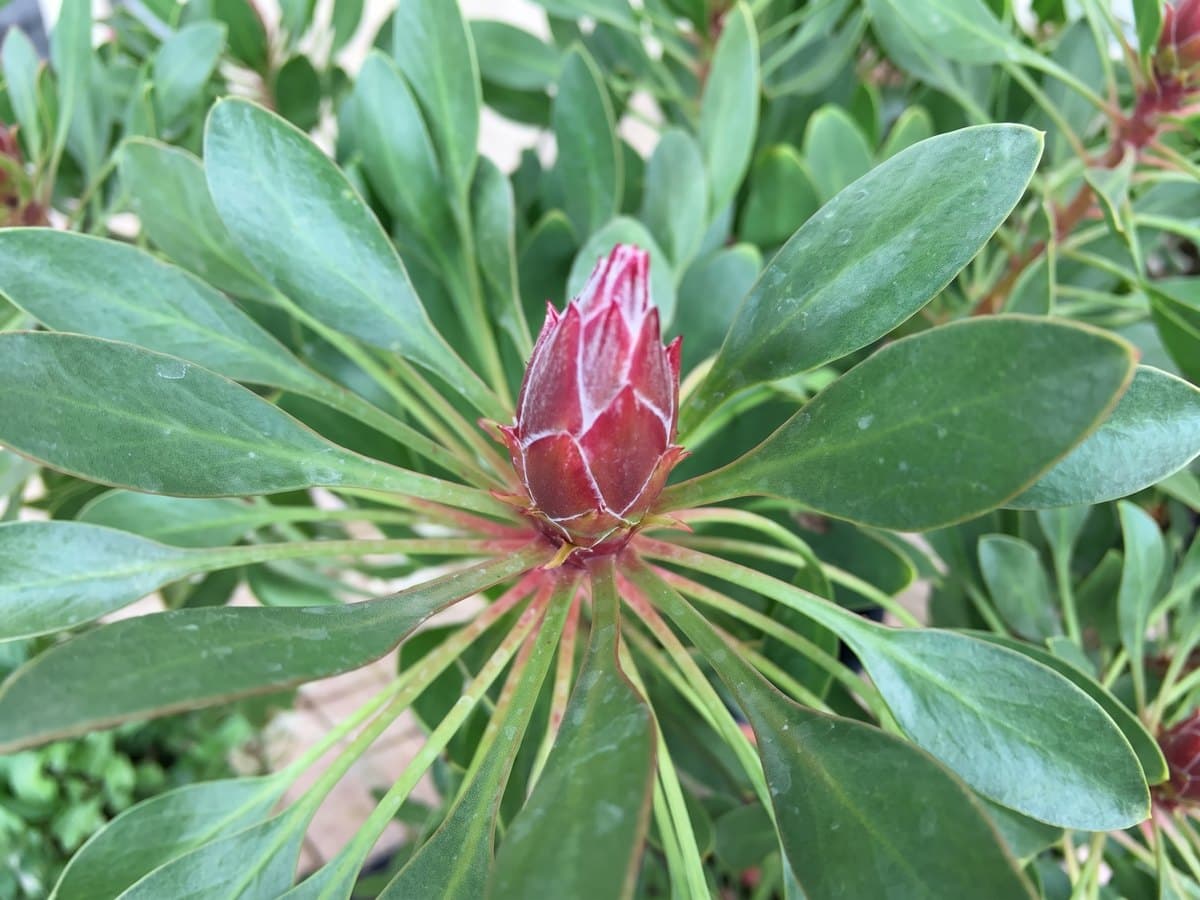
In the African Plant Systems biology for the Bioeconomy programme (APSB) we use systems biology, evo-devo approaches, genome engineering and synthetic biology to study important traits in African plants of ecological and economic importance. This includes how plants acquire, manage and invest sequestered carbon to adapt to low-nutrient environments, and create superior plant biomass.
Applied Chemical Ecology
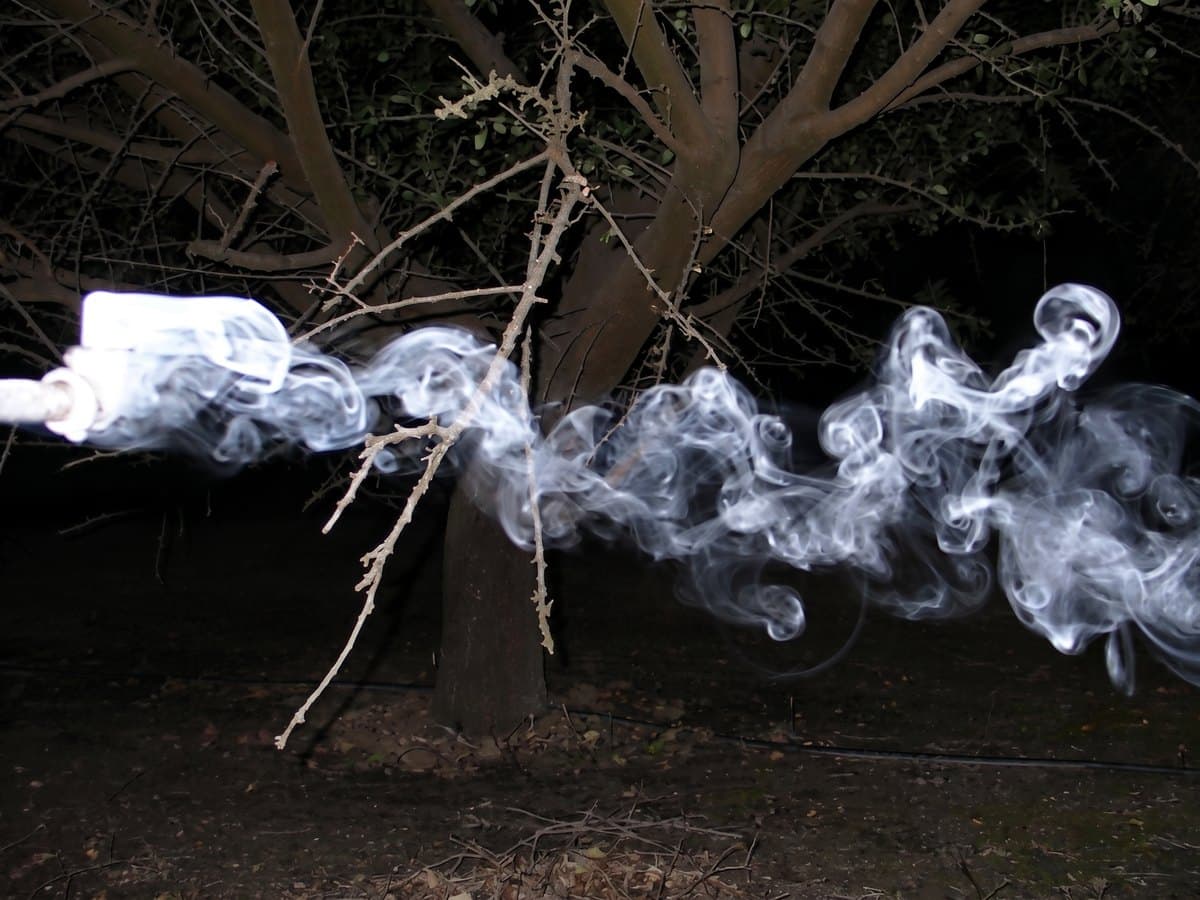
Chemical ecology is the study of the role that chemicals play mediating interactions between organisms and organisms and their environment, and the consequences of those interactions in ecological and evolutionary time. It is not an autonomous discipline but rather an approach to ecology, one of viewing ecological interactions through a chemical lens world.
Applied Mycology
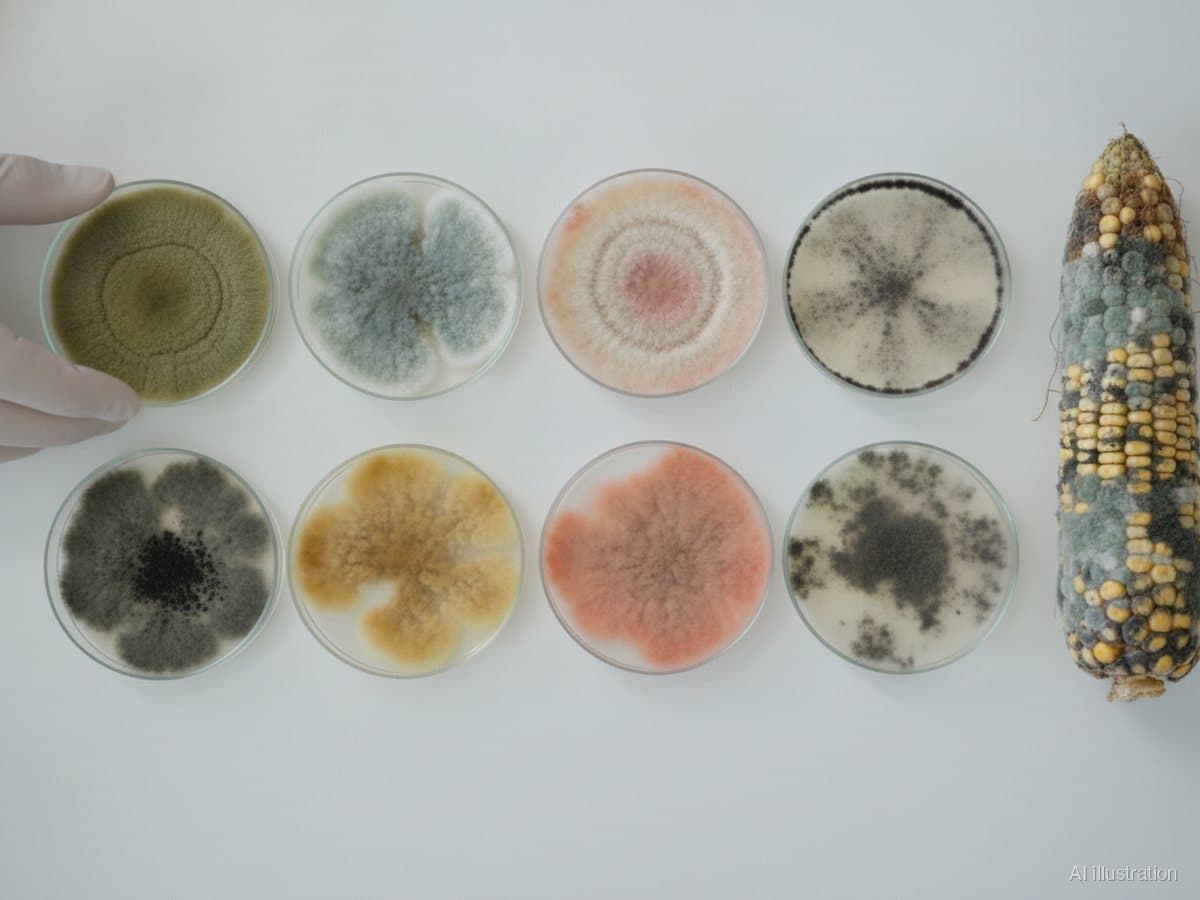
In the Applied Mycology Research Programme, we are focusing on to better understand the fungal communities that produce mycotoxins in agricultural crops, food and animal feed. Emphasis is placed on the diversity and taxonomy of genera such as Alternaria, Aspergillus, Fusarium, Penicillium and Talaromyces, but many others are also studied. Ultimately, our goal is to secure food and feed from farm to fork for future generations.
Avocado Research Programme
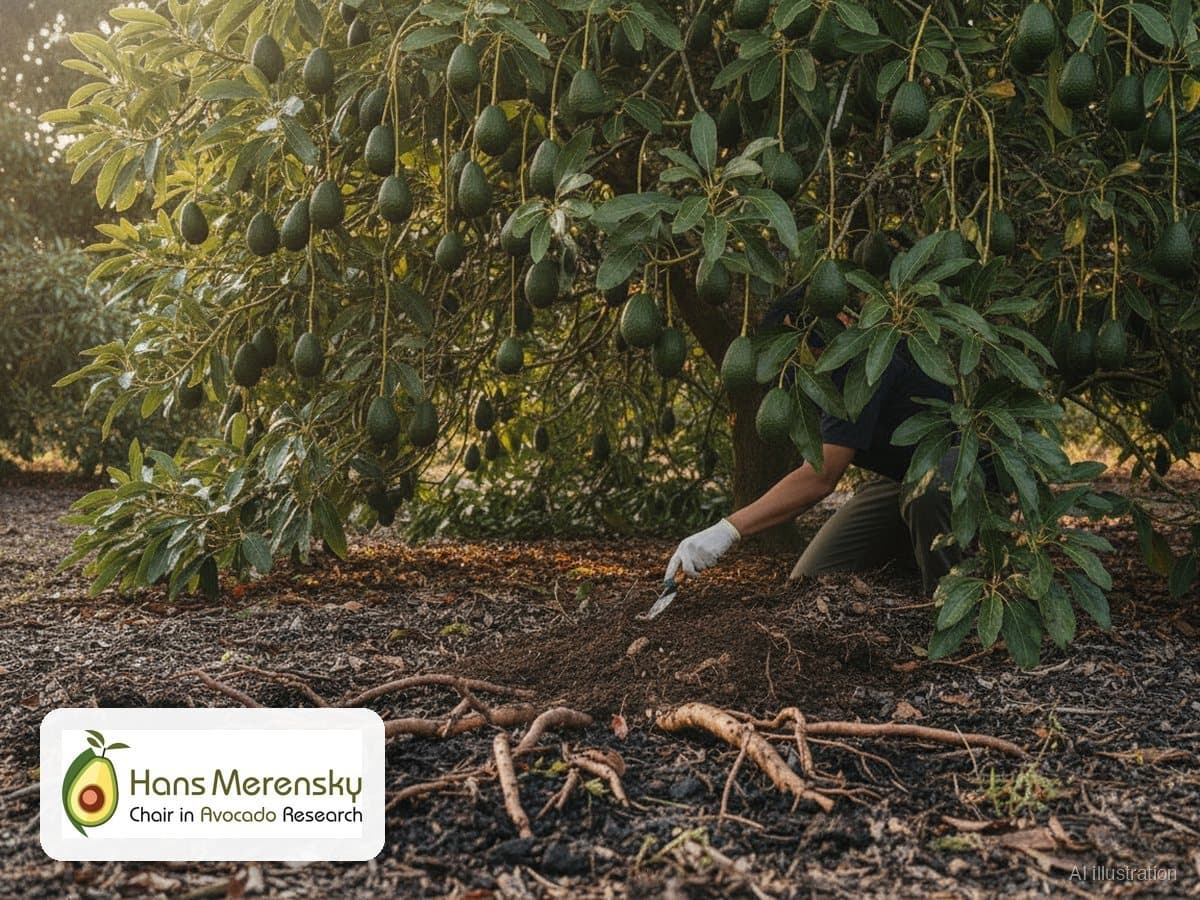
Avocado Research Programme, a programme of the Forestry and Agricultural Biotechnology Institute (FABI), represents a cooperative venture between The Hans Merensky Foundation and the University of Pretoria, to deal with avocado disease problems, especially the avocado/Phytophthora cinnamomi interaction. HMF has committed a substantial amount to establish this research project at FABI and The University of Pretoria in turn provides the infrastructure necessary to conduct research.
Bacterial Genomics and Plant Pathogen Interactions
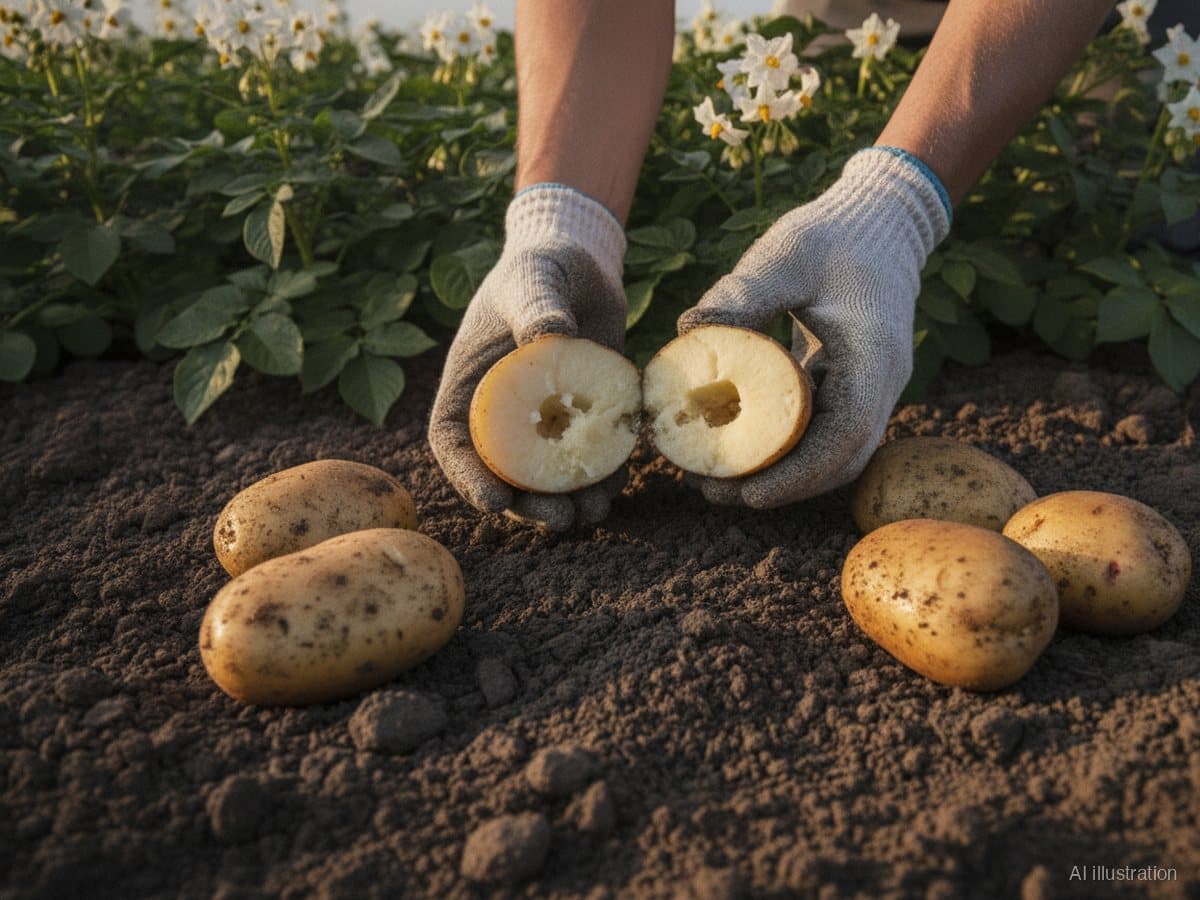
The bacterial genomics and host pathogen interactions research group is interested in understanding molecular pathogen-host interactions between potato plants and their various pathogens. The objectives of the research include molecular identification of potato pathogens and pests, functional characterisation of bacterial virulence factors and elucidation of potato plant responses elicited by potato pathogens. We ultimately endevour to contribute knowledge toward the control of pathogens and pests under study.
Cereal Foliar Pathogen Research Group
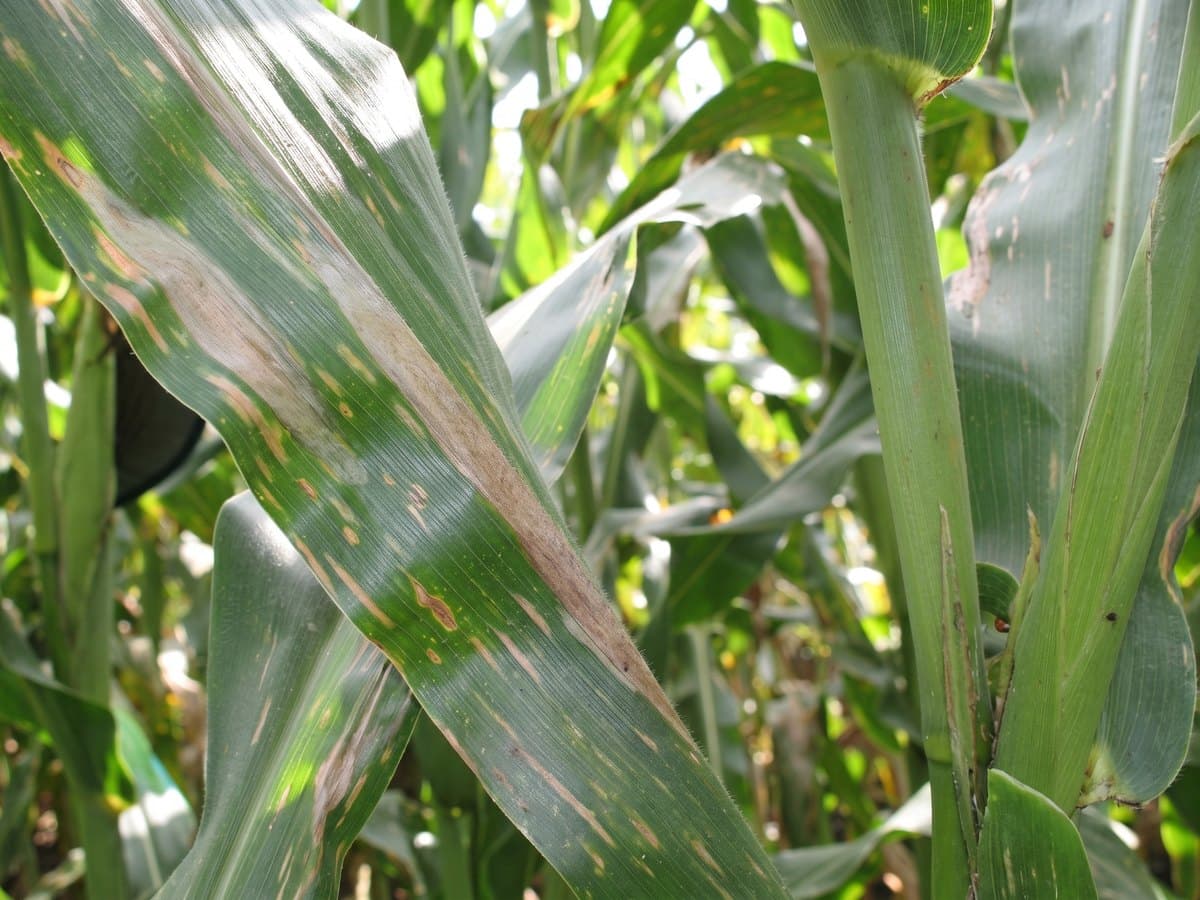
The research group focusses on the interaction between cereal plants and foliar fungal pathogens. Pathosystems currently under study include grey leaf spot in maize (GLS) caused by Cercospora zeina, and northern corn leaf blight (NCLB) in maize and sorghum caused by Exserohilum turcicum. Projects are aimed at studying population structure of these pathogens, identification and functional characterisation of pathogen effectors causing disease, and cereal plants’ response to pathogen infection.
Citrus Health Programme
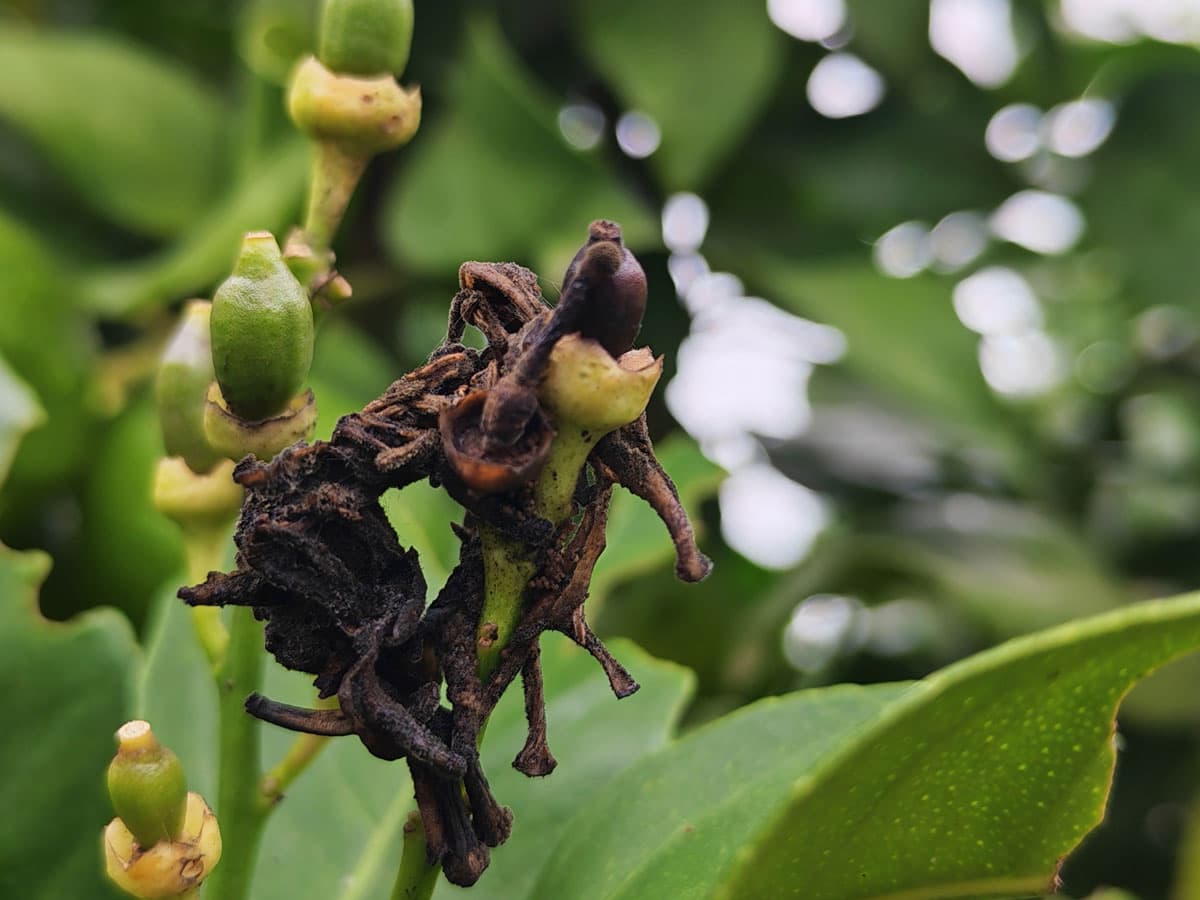
This research programme is fully funded by Citrus Research International, with emphasis on the sustainable management of important preharvest citrus diseases in South Africa. The increased pressure on South African agriculture from the EU Green Deal, particularly on export crops such as citrus, necessitates the need to focus research on gaining a better understanding of the epidemiology of diseases in order to develop effective Integrated Pest Management strategies.
Crop Floral Biology and Environments
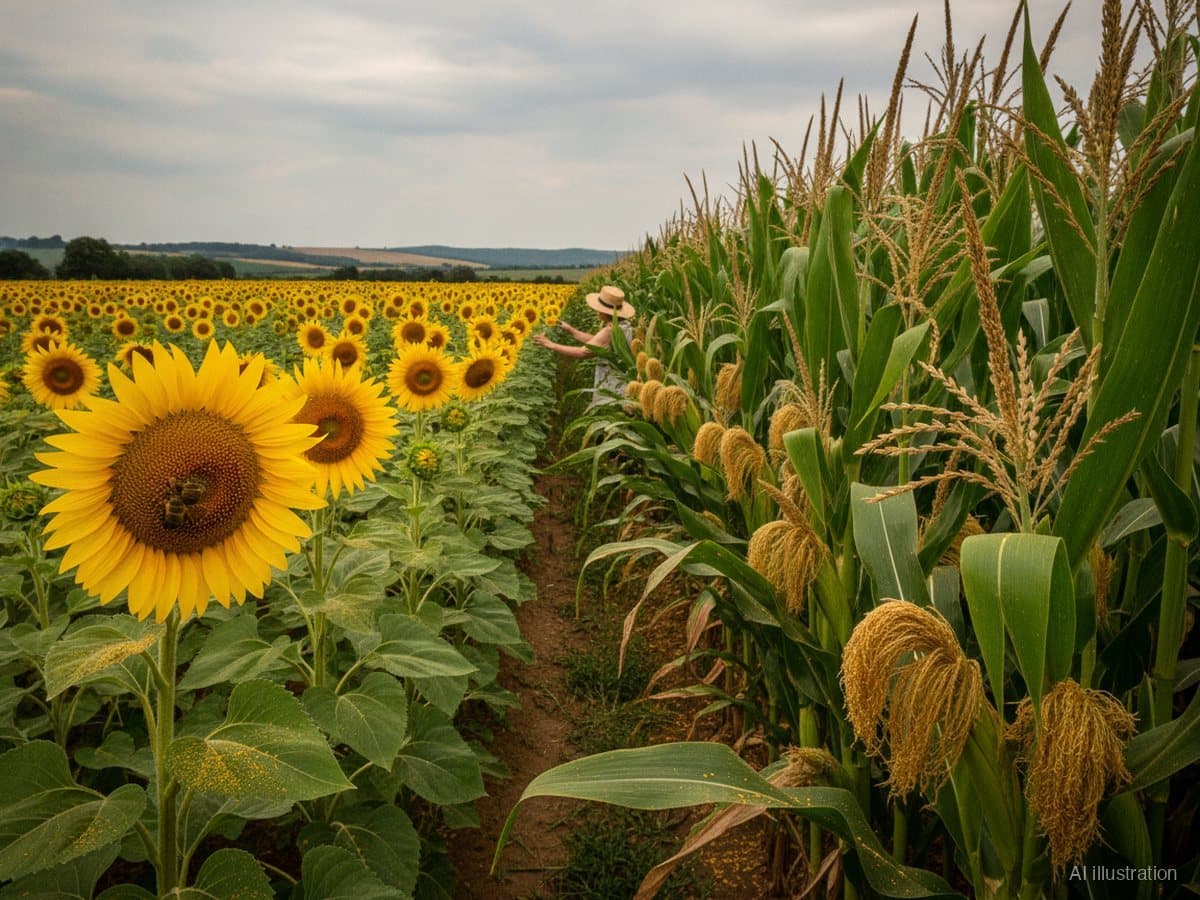
The Crop Floral Biology and Environments research team is focused on understanding how changing environments affect floral development, anthesis (flowering from bud opening to pollination) and pollination in economically important crops such as maize and sunflower. The multidisciplinary projects draw together aspects of climatology, plant physiology, plant molecular biology and ecology to holistically address these questions.
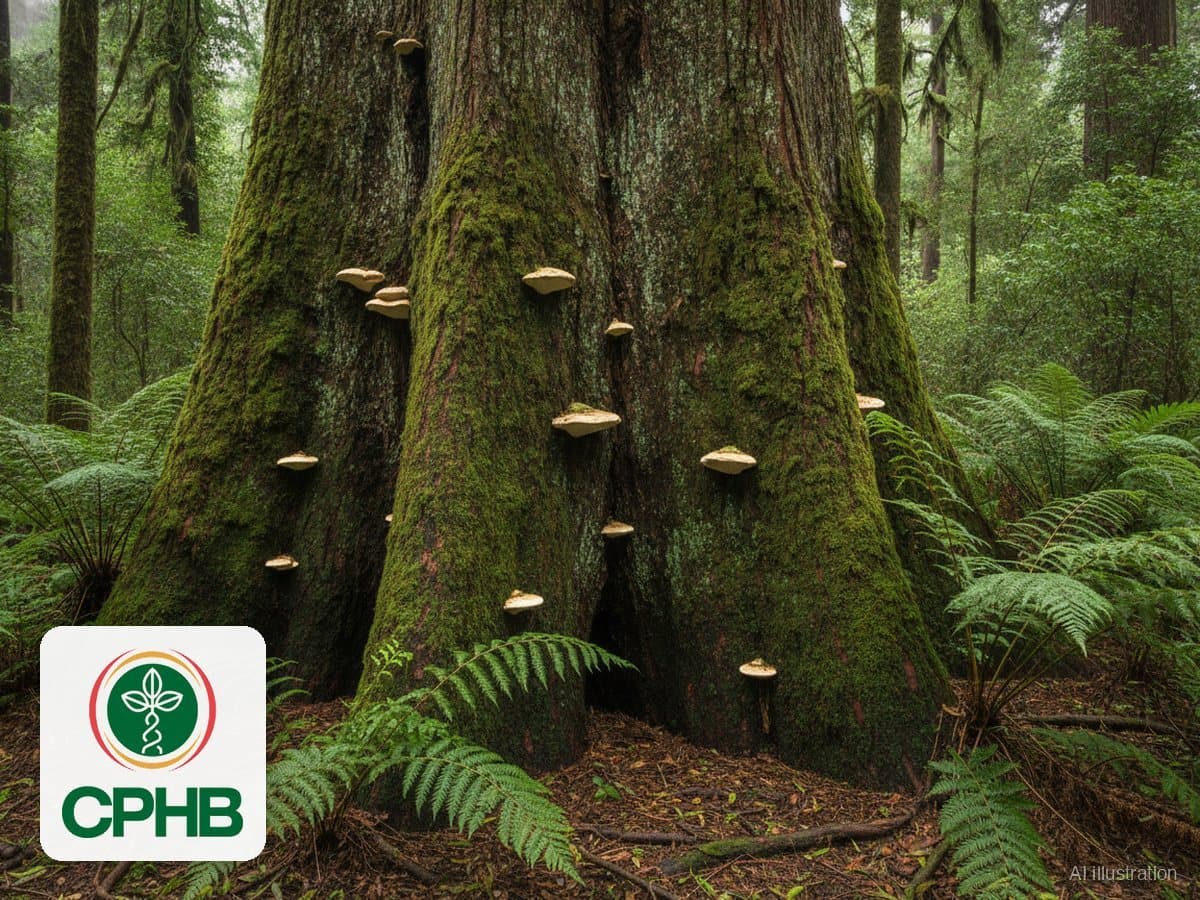
DST/NRF Centre of Excellence in Plant Health Biotechnology
The CTHB promotes the health of trees indigenous to South Africa through the use of biotechnology. This is accomplished through projects that typically consider the pathogens and pests associated with native trees and woody hosts. The CTHB also explores the possible effects that factors such as climate change, society, natural forest health and plant genetics may have on the health of native woody resources and ecosystems.
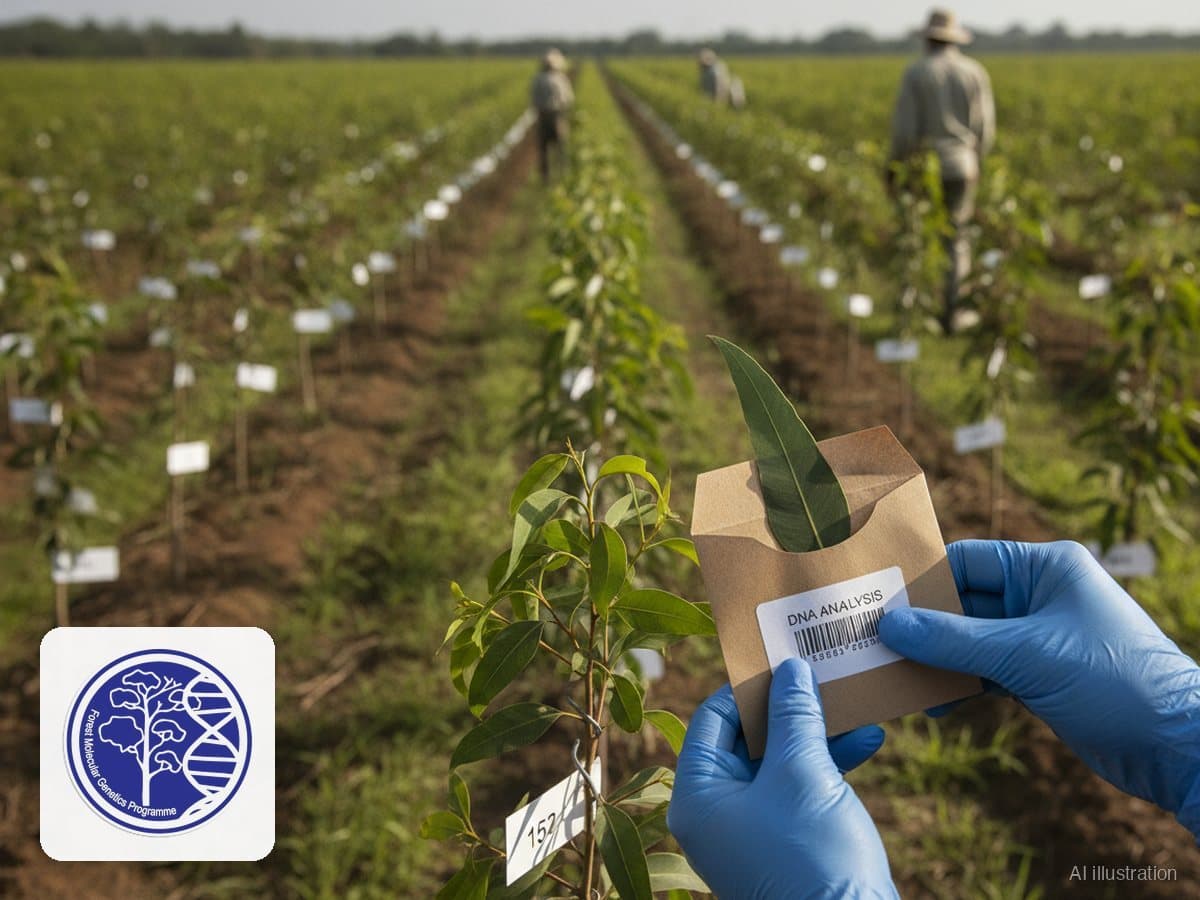
Forest Molecular Genetics and Eucalyptus Pine Pathogen Interactions
The Forest Molecular Genetics and Eucalyptus Pine Pathogen Interactions (FMG-EPPI) Programme focuses on the genetic control of wood development in fast-growing plantation trees. We utilise a number of research and technology platforms, namely: tree genomics; high-throughput DNA marker analysis; functional genetics; as well as wood pheno¬typing. We work in close collaboration with South African forestry companies to develop capacity and resources for the application of tree biotechnology in operational tree improvement programmes.
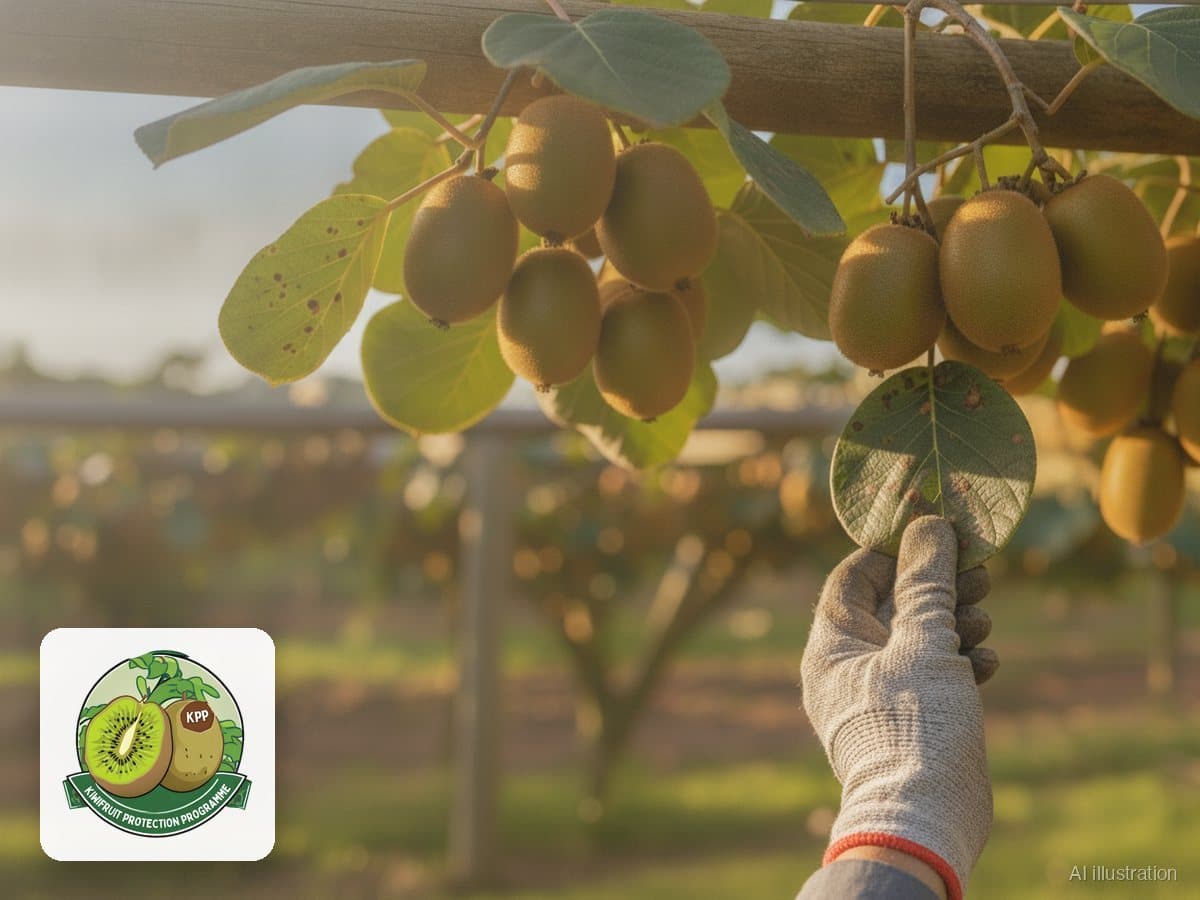
Kiwifruit Protection programme
The Kiwifruit Protection Programme (KPP) was established in February 2023 as a collaborative initiative between the South African Kiwi Growers Association and the Forestry and Agricultural Biotechnology Institute (FABI). This programme, under the primary leadership of Prof. Irene Barnes, aims to support local kiwifruit farmers by conducting research on pests and diseases of kiwifruit and providing an extension and disease/pest diagnostic service to the farmers.

Macadamia Protection Programme
Macadamia is one of the fastest growing agricultural industries in the country and is of economic importance to South Africa. The industry is however hampered by a number of pests and diseases which can cause major economic loss, both in terms of yield as well as nut quality. The industry currently relies heavily on the use of commercially available pesticides and chemicals for pest and disease control. There is, however, growing concern regarding continuous build-up of resistance, and the long-term sustainability of the industry is dependent on the use of integrated pest management.
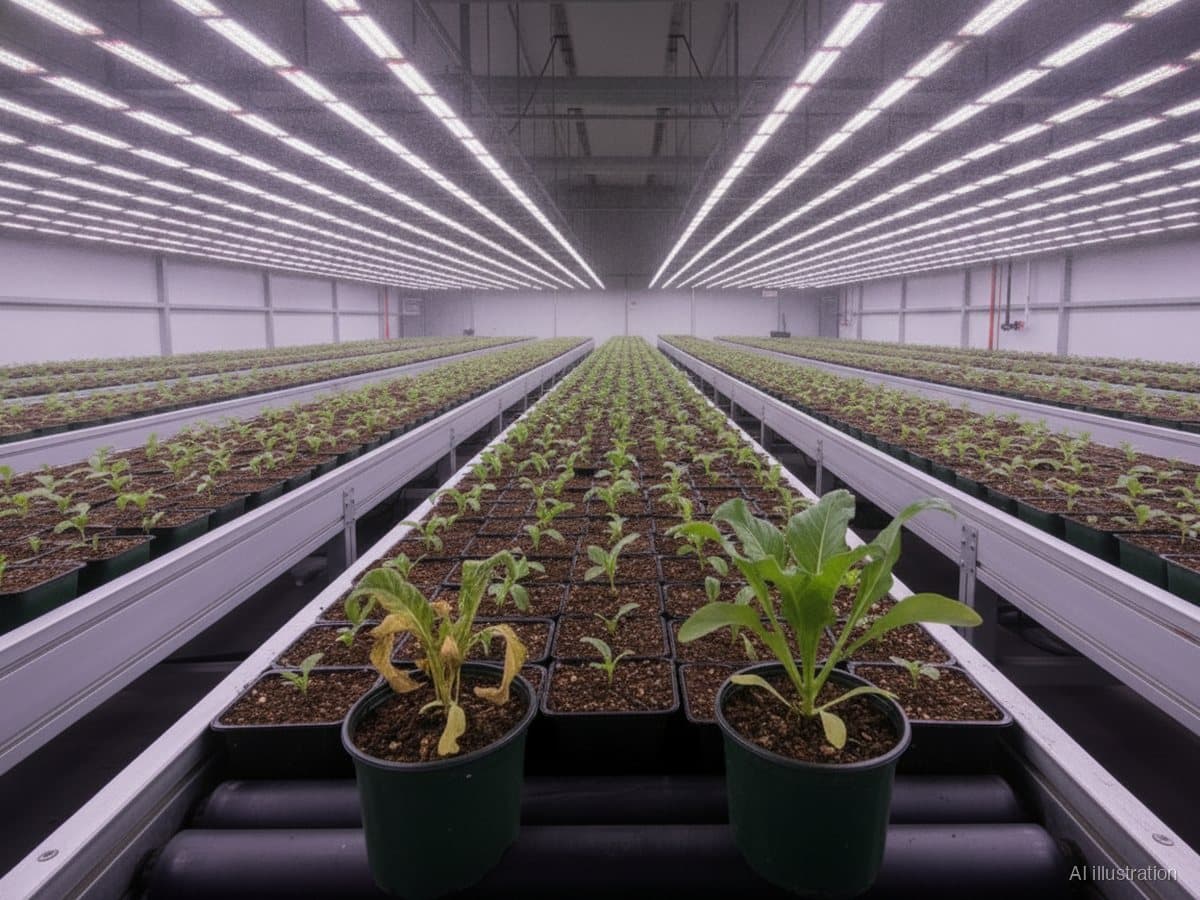
Molecular Plant Physiology
The Molecular Plant Physiology group collaborate with research groups in the UK, USA, Canada and Belgium to study the effect of biotic and abiotic stress in plants though a combination physiology, phenomics, functional genomics and proteomics. Using a holistic approach we aim to better understand the mechanisms underlying plant stress tolerance and resistance as well as the identification of potential biological markers that can then be used in plant improvement.
Molecular Plant-Pathogen Interactions
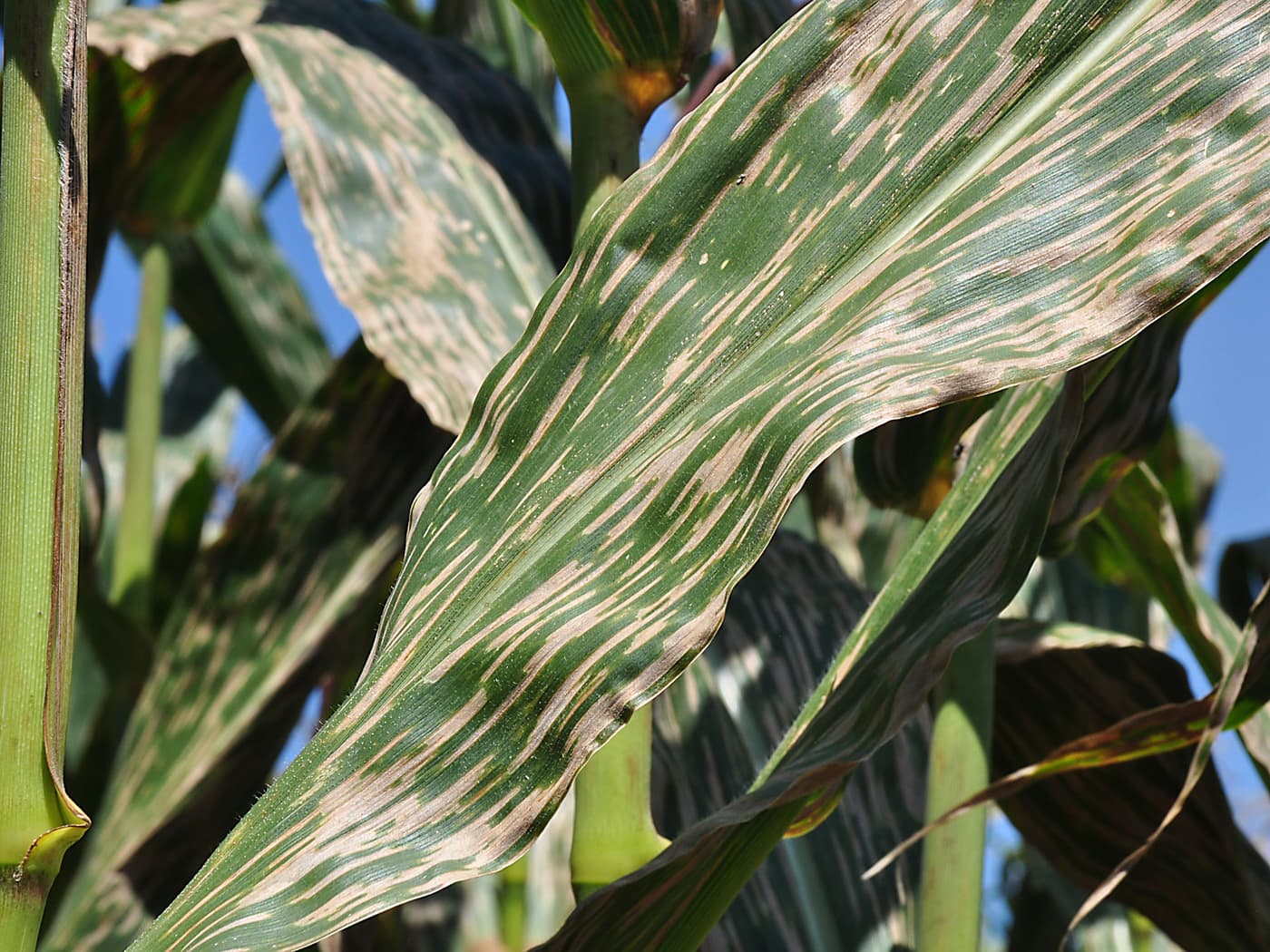
The Molecular Plant-Pathogen Interactions (MPPI) Group is located in the Plant Sciences Complex at the University of Pretoria and is headed by Prof Dave Berger. Research focuses on the molecular basis of plant-pathogen interactions using a range of approaches from whole plant phenotyping to functional genomics. We study the maize – grey leaf spot ( Cercospora zeina ) pathosystem.
Phytobacteriology
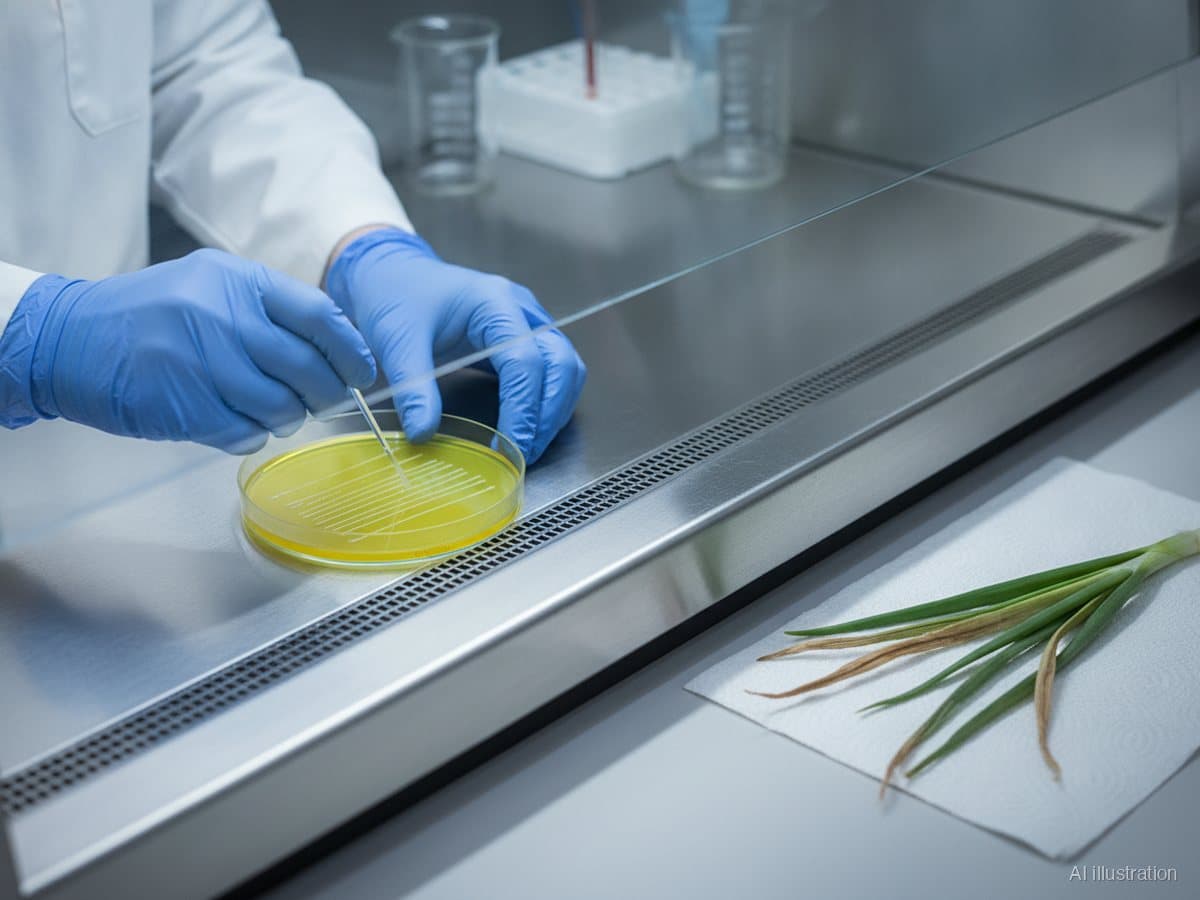
The Phytobacteriology programme at FABI has two main research areas, viz. taxonomy and pathogenicity. Several plant pathogenic bacteria are currently being characterized using a range of techniques, and are also being formally described. As one of our main focus areas, the pathogenicity factors of Panteoa ananatis, an opportunistic plant pathogen, are being investigated using a functional genomics approach.
Plant Virology Group
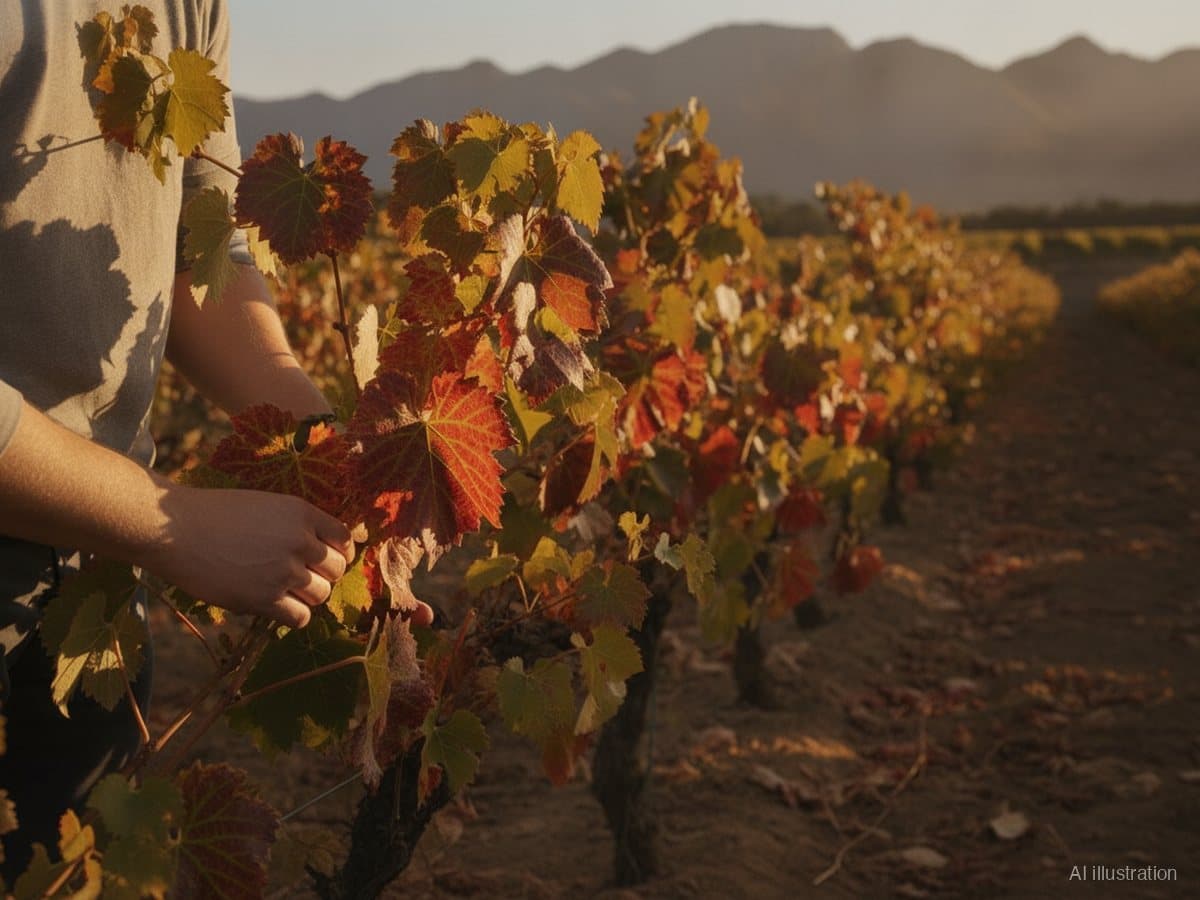
Research by this group focuses on the epidemiology, etiology, detection and identification of the two most important viruses of wine grapes and citrus respectively in order to improve control of the disease they induce. The group also does research on fastidious bacteria associated with Rutaceae (Citrus-family), which on citrus is associated with citrus greening disease.
RGE-FABI Tree Health Programme
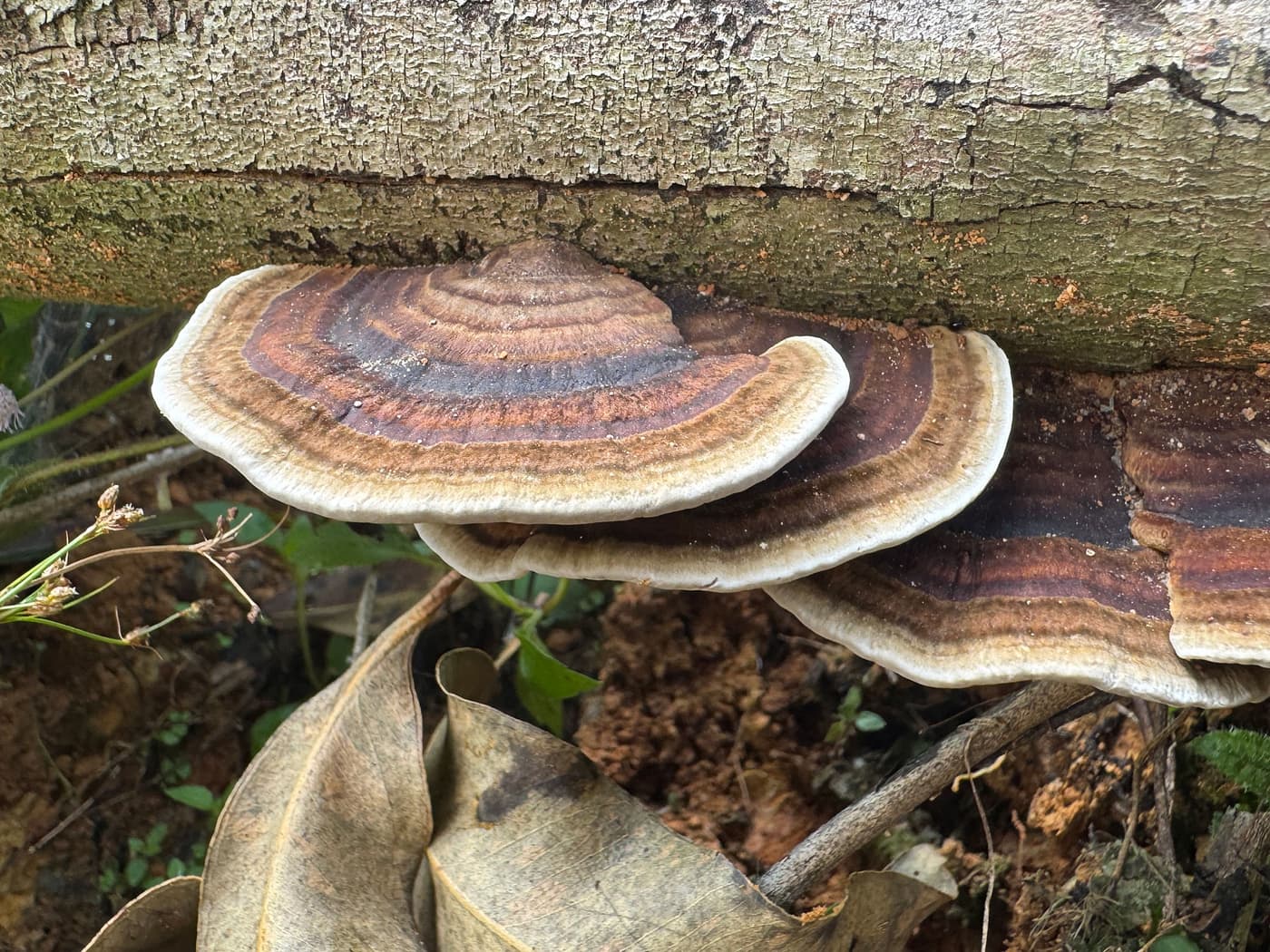
The RGE-FABI Tree Health Programme (RGE-FABI THP) was established in 2018 as a collaborative venture between the Indonesian-based Royal Golden Eagle (RGE) Group and the Forestry and Agricultural Biotechnology Institute (FABI) at the University of Pretoria. This partnership addresses challenges posed by pests and diseases to RGE’s forestry operations in Indonesia and Brazil. The initiative involves FABI researchers working in partnership with RGE’s divisions: Asia Pacific Resources International Holdings Limited (APRIL) and Brazil based Bracell Limited.
Remote Sensing of Plant Health
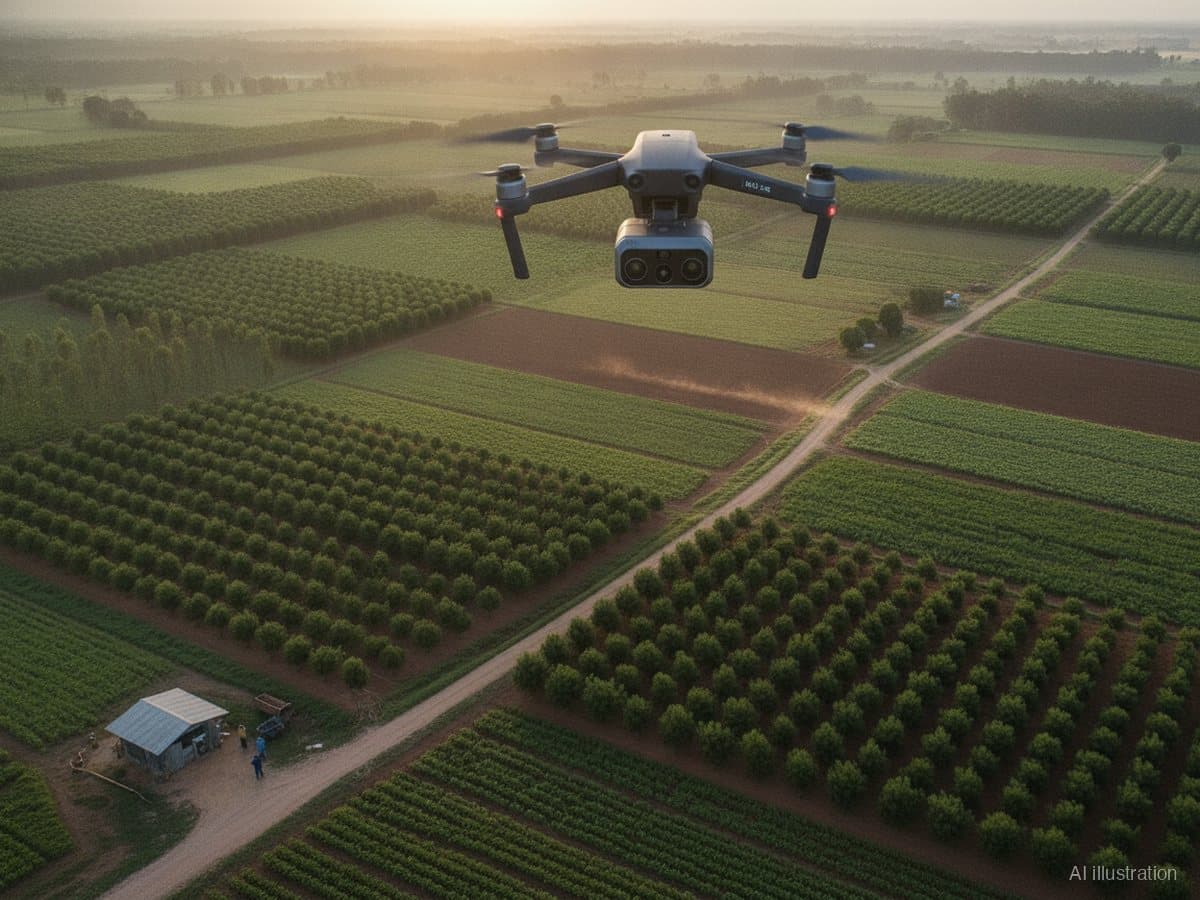
The acquisition of remote and close-range sensor data (e.g. thermal, hyperspectral), either via satellites, aeroplanes or - more recently - unmanned aerial vehicles (UAVs) has been already proven valuable for managed and natural landscapes. The application of UAVs in combination with optical sensors for crop and forestry status monitoring is a rapidly developing field that offers immense opportunities for plant health management at a scale and level of detail never before possible. The Forestry and Agricultural Biotechnology Institute (FABI) at the University of Pretoria is hosting world-leading programs focusing on vexing problems regarding the global burden of plant diseases and pests in commercial systems, as well as their spill-over into native vegetation. The University also has extensive capacity Engineering and Information Sciences relevant to remote sensing of plant health, in particular in departments such as Civil, Electrical, Electronic and Computer Engineering and Computer Science. The University of Pretoria wishes to capitalise on these capacities by developing capacity in the field of remote sensing of plant health. Such an endeavour will also link to developments in the chemical ecology, plant phenotyping and data science capacity in FABI.
Social Insect Research Group
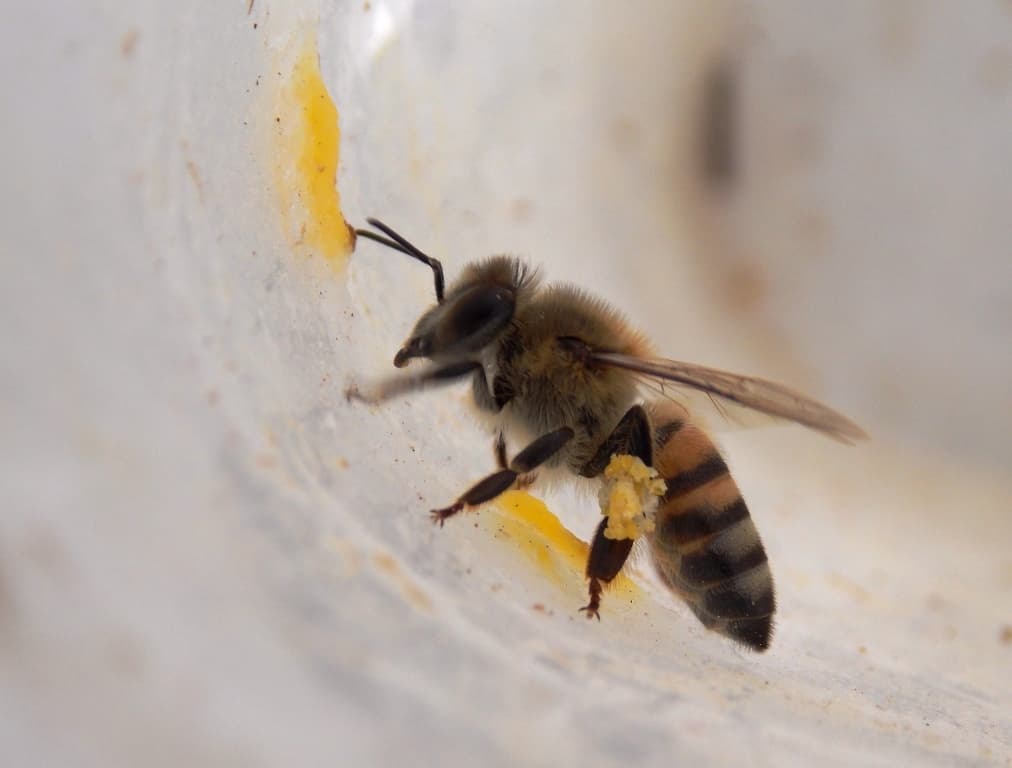
The Social Insects Research Group (SIRG) also known as the Bee group is a Research Group in the Department of Zoology and Entomology, University of Pretoria. Our group studies fundamental and applied aspects of sociality in ants, bees, termites and wasps with a particular focus on honey bees, hence we are teaching and building capacity for bee research on the continent and beyond.
Tree Protection Co-operative Programme
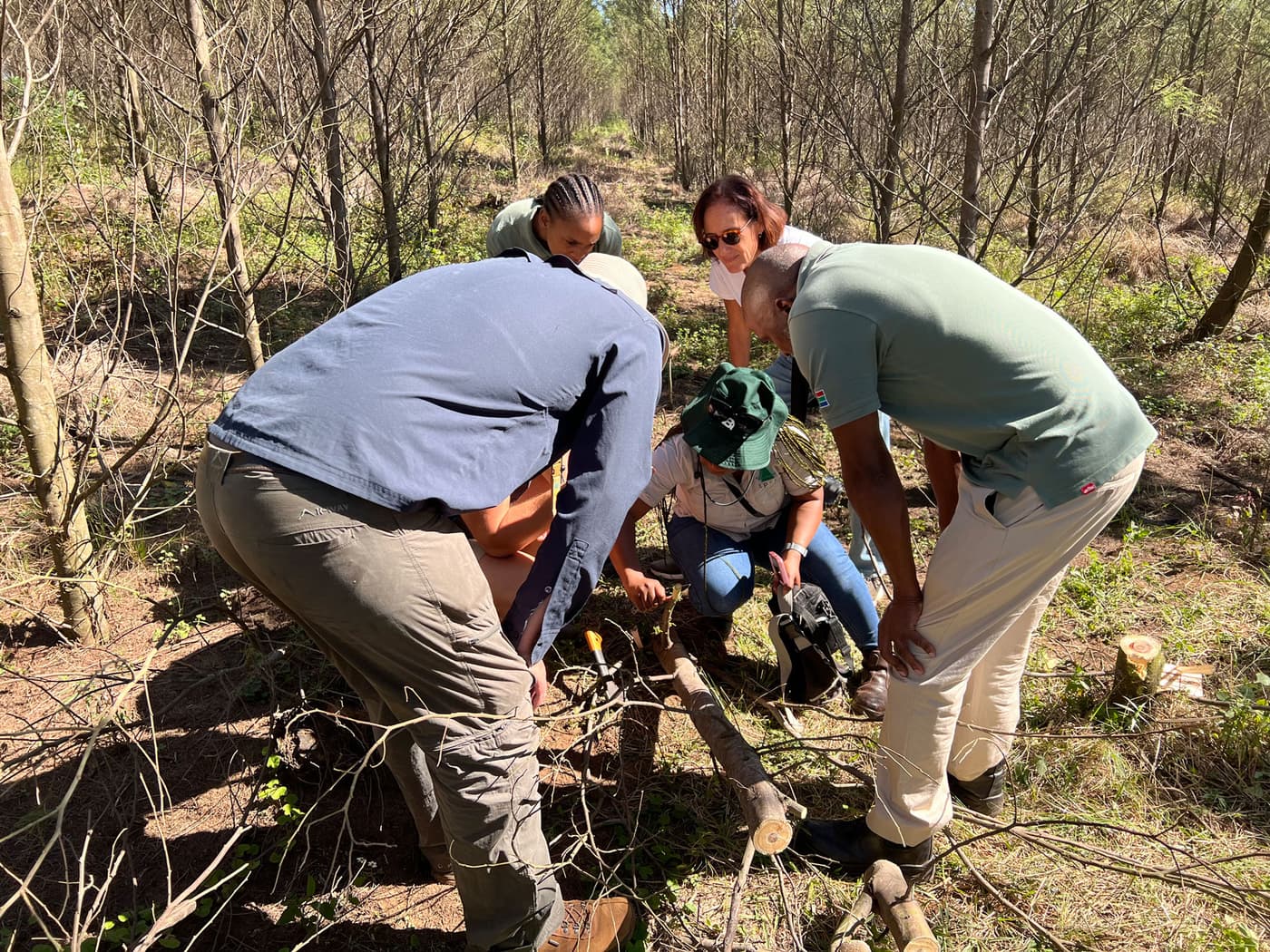
The Tree Protection Cooperative Programme (TPCP) represents a cooperative venture between the major players in the South African Forestry Industry and the University of Pretoria, to deal with tree disease problems. The programme is based on a membership concept where forestry organisations are members and contribute to a collaborative effort through the payment of annual fees. The University of Pretoria in turn provides the infrastructure necessary to conduct research into tree pests and diseases, which is technologically complicated and thus expensive.