
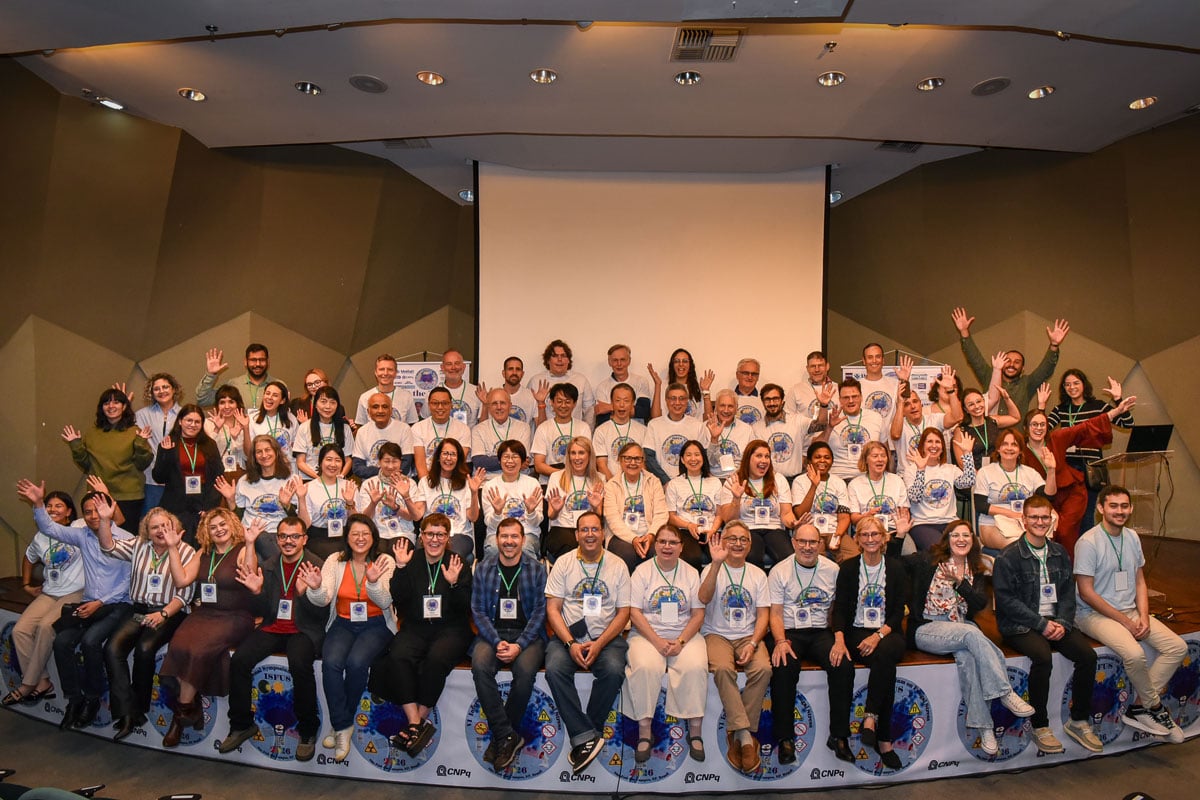
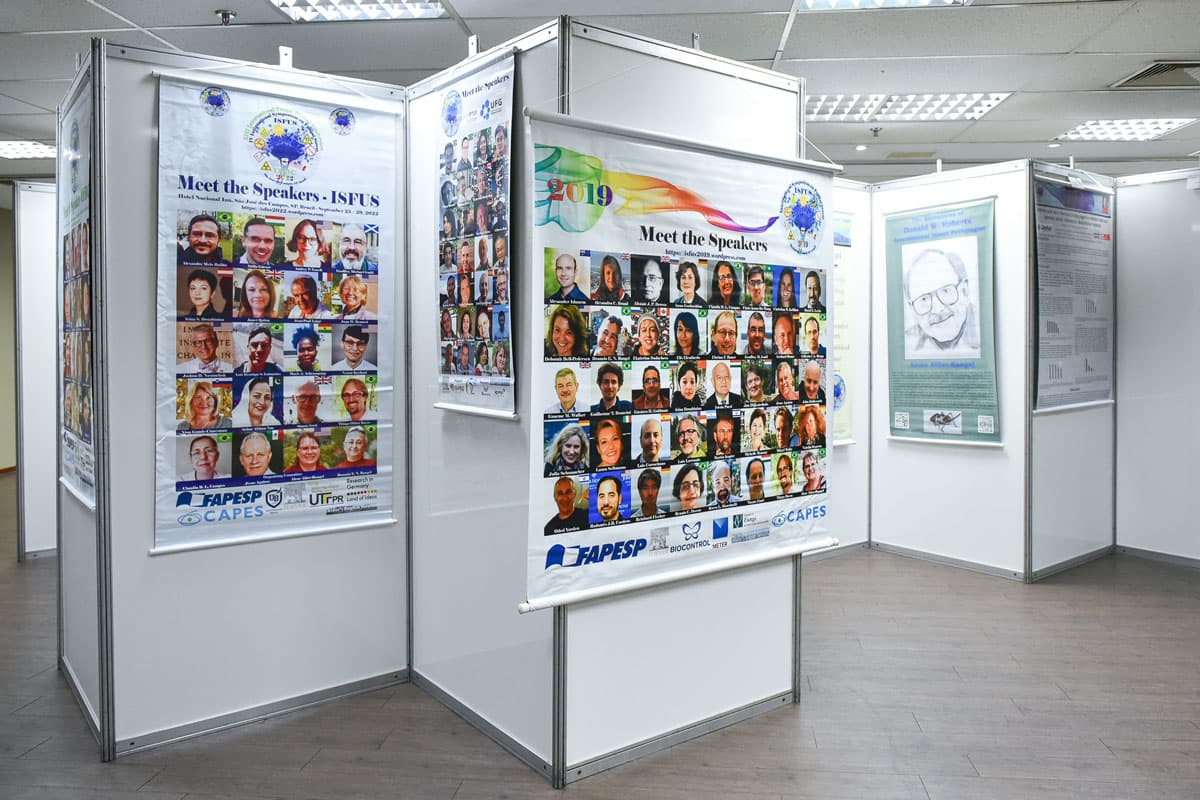
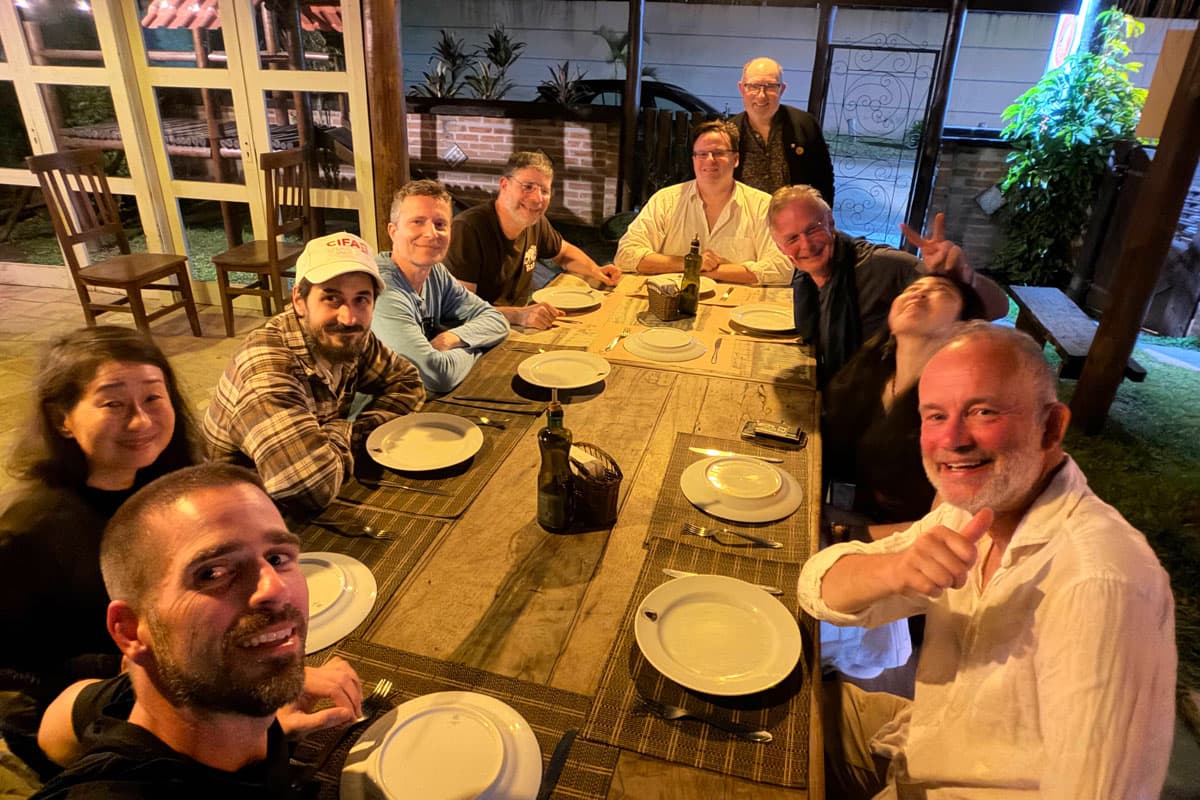
From 21 to 24 September 2026, Prof. Cobus Visagie attended the 6th International Symposium on Fungal Stress (ISFUS), held in São José dos Campos, Brazil. Chaired by Prof. Drauzio Rangel (Universidade Federal de Alfenas), the symposium series has grown since its debut in 2014 into a key international meeting for researchers studying how fungi sense, respond to and survive stress. This year's programme brought together speakers from 13 countries across Africa, the Americas, Asia and Europe, with sessions on fungal stress in the environment, agriculture, industry and human disease. Prof. Visagie presented a talk titled “Understanding fungal diversity in a changing world: Tools, challenges, and opportunities”. He discussed how rapid advances in sampling, molecular tools and high-throughput sequencing have created both opportunities and challenges for fungal diversity, and how the modern, well-curated taxonomy of Aspergillus and Penicillium, supported by reference DNA sequences for all accepted species and species-level metabarcoding, can be used to study fungal diversity and stress-driven distribution patterns. He also chaired Session 4, Fungal Stress and Human Disease, which featured seven talks from Duke University, Cornell University, Texas Tech University Health Sciences Center, China Medical University, the University of Oxford, the University of Edinburgh and the Universidade Federal de São Paulo. Topics ranged from antifungal drug resistance in Mucorales and Candida auris to aneuploidy, autophagy and new drug targets in Cryptococcus neoformans, work that is closely aligned with FABI's involvement in the Wellcome Trust funded CryptoADAPT project. Following the scientific programme, participants joined a post-symposium excursion to São Sebastião on the São Paulo coast. Away from the lecture hall, the excursion gave speakers and delegates time to spend with one another, continuing conversations started during the meeting and building the personal connections that make the ISFUS community so collaborative.